Buying a Container House in 2026 requires more than choosing an attractive floor plan. It demands practical research, budget discipline, and careful inspection. Adam Kalkin, an architect widely recognized for container-based design, has described the container as “a very simple object.” That simplicity can be useful, but it can also hide expensive complications.
A reliable buyer should examine the steel condition, insulation system, ventilation, plumbing, electrical layout, and foundation requirements. Rust around the corner castings may indicate deeper damage. Thin interior walls can also create uncomfortable temperatures and noticeable condensation. Ask the supplier for engineering drawings, material specifications, factory photographs, and a detailed delivery schedule. Do not rely only on polished website images.
Local planning rules matter, even when the structure looks temporary. Confirm permissions, utility connections, fire safety requirements, and site access before paying a deposit. A narrow road may prevent a crane from reaching the building. That detail can change the budget quickly.
Compare at least three suppliers, but do not select the lowest quote automatically. In 2026, energy performance, repair access, and long-term maintenance should influence the decision. A cheaper Container House may use weaker insulation or exclude essential groundwork. Those omissions are easy to miss.
The process is not perfectly predictable. Delivery delays happen. Specifications can change. Buyers should keep written records and request independent professional advice when technical details seem unclear. A beautiful model is only the beginning. The real test is whether the finished home remains safe, comfortable, legal, and affordable after several seasons.
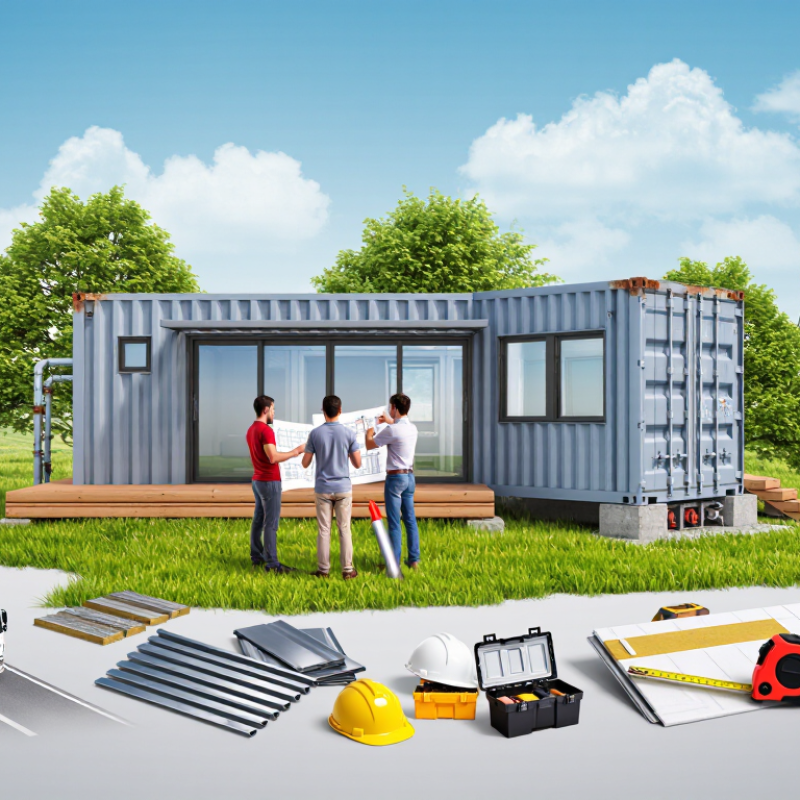
Define Your Container House Needs and Budget
Before comparing suppliers, define how the container house will work each day.
Will it be a weekend cabin, permanent home, office, or rental unit? List occupants, sleeping spaces, storage, cooking needs, and accessibility requirements. Measure large furniture, not just rooms. That small detail can prevent expensive redesigns.
Climate matters.
Hot summers may require shading and stronger ventilation, while cold regions need insulation and frost protection. Ask a qualified local professional to review soil, drainage, wind exposure, and planning requirements before ordering. Site access is easy to underestimate. A narrow lane, weak bridge, or limited crane space can change the transport plan and raise costs.
Set a complete budget, not only a factory price.
Include design work, transport, crane access, foundations, utility connections, interior finishes, permits, taxes, and site preparation. Request itemized quotations with clear exclusions. Prices often look reasonable until delivery or electrical work appears separately. A contingency of 15 to 20 percent is prudent, although your project may need more. Keep an emergency reserve. Compare lifecycle costs too. Efficient insulation may cost more initially but reduce heating and cooling bills. However, cheaper materials can create condensation, noise, or maintenance problems.
A licensed designer, engineer, or building inspector can check structural changes and local compliance. I would not pretend every estimate can be precise; written assumptions should be reviewed before signing.
Check Local Building Codes, Land Rules, and Utility Requirements
How to Buy a Container House in 2026?
Before purchasing a container house, check your local building codes. Some areas classify it as a permanent dwelling, while others treat it as a temporary structure. This difference affects permits, foundation design, insulation, windows, and fire safety. Ask the planning department for written guidance. Verbal advice can be misunderstood later. A licensed building professional can also review the proposed layout before you pay a deposit.
Land rules matter just as much. Confirm zoning, setbacks, height limits, access roads, and flood-risk requirements. A cheap plot may not allow residential construction. Utility connections need early attention too. Ask about water, sewage, electricity, drainage, and internet access. A remote site may require a septic system, storage tank, or upgraded power connection. These costs can exceed the house price.
Tips: Request the site rules in writing. Check permit fees. Visit the land after heavy rain. Measure delivery access carefully. Speak with an inspector before finalizing the design. Keep every approval and quotation.
Be cautious with optimistic estimates. My first budget would probably miss trenching and ground preparation. Many buyers make that mistake. Leave room for inspections, transport changes, and unexpected soil conditions. Use a contract that clearly identifies who handles permits, utility work, structural certification, and final compliance. Never assume a container is automatically legal because it has already been modified elsewhere.
Compare Container Types, Designs, Suppliers, and Total Costs
How to Buy a Container House in 2026?
Choosing the right container type affects comfort, durability, and the final budget. New single-trip containers usually have cleaner surfaces and fewer repairs. Used containers cost less, but inspect floors, doors, corner posts, and previous cargo exposure. High-cube models provide extra interior height for insulation and lighting. Refrigerated units may offer strong insulation, but their machinery can increase removal and modification costs.
Design decisions should follow the site, climate, and daily routine. A compact one-container layout suits a studio or guest room. Two or more units allow separate bedrooms, wider kitchens, and better airflow. Mark window positions carefully because large openings need reinforced frames. Include roof drainage, thermal breaks, ventilation, and safe electrical access. A beautiful plan can still feel narrow.
Supplier comparison requires more than checking the advertised unit price. Request specifications, steel condition reports, modification drawings, delivery terms, and a clear defect policy. Verify construction experience, insurance, references, and local inspection support. The total cost may include the container, foundation, transport, crane hire, insulation, windows, plumbing, electrical work, permits, and interior finishes. A realistic contingency is useful because ground preparation often surprises buyers. My early estimates once ignored utility connections. That omission changed the budget sharply. Ask for an itemized quotation. Never compare incomplete numbers.
How to Buy a Container House in 2026?
Estimated 2026 purchase and setup costs by container-house type. Prices are typical planning ranges in USD and exclude land, permits, utility connection fees, taxes, and long-distance delivery.
A basic 20-foot unit generally has the lowest entry cost, while insulated residential units and multi-unit custom designs require higher budgets because of structural work, interior finishes, insulation, plumbing, electrical systems, and installation. Compare the supplier’s specifications, included features, delivery distance, warranty, and site requirements before buying.
Inspect Quality, Confirm Specifications, and Review the Contract
Buying a container house in 2026 requires more than comparing prices and floor plans. Inspect the structure in person, or hire a qualified independent inspector. Check welds, corner posts, roof seams, and floor supports for cracks, distortion, or corrosion. Open every door and window. They should move smoothly and close evenly. During a factory inspection, I would also look beneath the flooring for moisture marks and weak repairs. These hidden areas often reveal more than polished walls.
Confirm every specification in writing before making a payment. Record external dimensions, usable floor area, steel treatment, insulation thickness, window type, electrical capacity, plumbing layout, and included appliances. Ask how the house will be protected during transport. A sample unit may look excellent, but the delivered unit can differ. I once trusted a showroom model too quickly. That was careless. Request dated photos, material samples, and an inspection point before shipment.
Read the contract slowly. It should identify drawings, materials, delivery conditions, payment stages, installation duties, warranty coverage, and procedures for design changes. Clarify who pays for site preparation, lifting equipment, utility connections, and damage during delivery. Small details matter. Avoid vague phrases such as “standard finish” or “complete installation.” Attach the final specification sheet to the agreement. Keep copies of messages and inspection records. If a clause seems unclear, ask a qualified construction professional to review it before signing.
Conclusion
Buying a Container House in 2026 requires careful planning from the first idea to final approval. Start by defining your intended use, preferred size, layout, insulation needs, energy goals, and total budget, including transportation, foundation work, utilities, permits, installation, and future maintenance. Before purchasing land or placing an order, check local building codes, zoning or land-use rules, safety standards, and requirements for water, electricity, sewage, and access.
Next, compare different container types, floor plans, construction methods, suppliers, delivery options, and complete project costs rather than focusing only on the initial price. Inspect materials, structural condition, insulation, windows, doors, electrical systems, plumbing, and promised specifications. Ensure the contract clearly covers payment terms, production schedule, warranties, changes, delivery responsibilities, and remedies for defects. Finally, prepare the site, arrange safe transportation, coordinate installation and utility connections, and complete all required inspections. A detailed process helps reduce unexpected expenses and ensures the finished home is practical, compliant, durable, and suited to your long-term needs.