
Best Portable Public Restroom Supplier in China?

Time:2026-10-21 Author:Madeline
0%

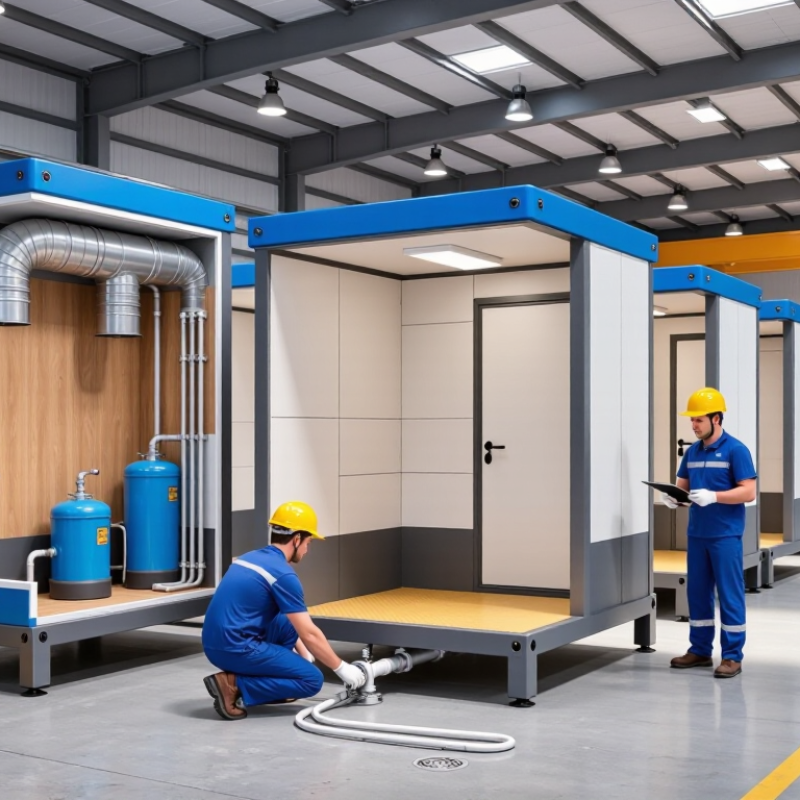
Choosing the Best Portable Public Restroom Supplier in China requires more than comparing prices or browsing polished catalogs. Buyers should examine production experience, material quality, delivery records, and after-sales support. A reliable supplier should explain each stage clearly, from frame welding and floor drainage to ventilation and final inspection.

A well-designed Portable Public Restroom must perform in real conditions. Imagine a busy construction site, a crowded outdoor event, or a remote park after heavy rain. The unit should remain stable, easy to clean, and comfortable for different users. Check the panel thickness, door hardware, anti-slip flooring, lighting, water systems, and accessibility features. Ask for factory videos, product drawings, test reports, and references from similar projects. Details matter.

No supplier is perfect. A beautiful showroom may not reflect daily production standards. Delivery promises can also change when customization becomes complex. This is where practical verification helps. Speak with technical staff, review sample units, and confirm spare-part availability before signing an order. Experienced manufacturers usually discuss limitations instead of hiding them. That honesty is valuable. The best choice is not always the cheapest factory. It is the supplier that combines consistent workmanship, responsive communication, transparent documentation, and dependable support after installation. A careful evaluation can reduce repair costs and protect the user experience over many years.
Best Portable Public Restroom Supplier in China?

Define Portable Public Restrooms: HDPE Units, 200–300 L Tanks, and Key Uses

Portable public restrooms are self-contained sanitation units designed for places without permanent plumbing. Most reliable models use HDPE panels because the material is lightweight, impact-resistant, and easy to clean. A textured floor can reduce slipping when users enter with wet shoes.

Many units include a 200–300 liter waste tank beneath the seat. Tank size affects service frequency, transport weight, and placement options. A 200-liter tank may suit short events, construction sites, or small outdoor gatherings. A 300-liter tank offers more capacity, but it becomes heavier when full and requires careful handling.

Practical features matter more than appearance. Look for ventilation openings, lockable doors, non-slip flooring, and accessible interior space. Handwashing stations should have separate clean-water and wastewater containers. During site checks, confirm that service vehicles can reach the units without damaging grass or paving.

From field observations, poor placement causes more complaints than basic design flaws. Units placed too far from activity areas are often neglected. Units placed too close to food zones create hygiene concerns. Temperature also matters, especially in regions with strong sunlight. HDPE can perform well, but color, wall thickness, and ventilation still need review. A supplier should provide tank specifications, cleaning guidance, load details, and inspection records. I would not judge quality from photographs alone. Physical samples often reveal weak hinges, sharp edges, or difficult-to-clean corners.

Portable Public Restrooms: HDPE Units and 200–300 L Tank Capacity

Portable public restrooms are commonly manufactured with durable, lightweight HDPE panels and molded components. A 200–300 L tank range is suitable for many event, construction-site, park, and emergency-relief applications, depending on visitor volume and servicing frequency.

The chart presents representative capacity points within the commonly specified 200–300 L range. Actual tank size, flushing configuration, and service intervals vary by unit design and local operating requirements.

Compare Chinese Suppliers Through ISO 9001, GB/T 19001, and Factory Audits

Choosing the best portable public restroom supplier in China requires more than comparing prices or product photos. Quality systems matter because these units face repeated transport, outdoor exposure, cleaning, and daily public use.

ISO 9001 certification shows that a supplier follows documented processes for design, purchasing, production, inspection, and corrective action. GB/T 19001 follows the same quality management foundation within China. However, a certificate alone proves little.

During a factory audit, check the certificate number, issuing body, covered products, and expiration date. Ask to see production records for wall panels, doors, flooring, ventilation parts, and plumbing connections.

A reliable factory should explain how it handles incoming material checks and final functional testing. Look for labeled inspection areas, calibrated tools, and traceable batch records. Small details matter.

Inspect one finished unit carefully. Open every door. Test locks, drains, lights, handrails, and water connections. Ask how defects are reported and closed.

I have found that tidy showrooms can hide weak production controls. That possibility deserves attention. Audit the workshop, not only the office.

Photos, test reports, and certificates should match the actual facility and product scope. Independent inspection before shipment can add useful protection, especially for custom layouts, accessible designs, and large orders.

A supplier that welcomes difficult questions often demonstrates stronger reliability than one offering the lowest quotation.

Evaluate Product Quality: 4–6 mm HDPE, Ventilation, Hygiene, and Durability

Best Portable Public Restroom Supplier in China?

Product quality starts with the wall material, not the sales brochure. In field inspections, 4–6 mm HDPE has offered a practical balance between impact resistance and transport weight. Thicker panels can feel stronger, but thickness alone does not guarantee durability. Check for even molding, clean edges, reinforced corners, and stable door frames. Uneven surfaces may trap dirt and reveal weak manufacturing control.

Ventilation deserves equal attention. A useful unit should have screened upper vents and a lower air path, creating steady airflow without exposing users. Poor ventilation quickly produces heat, odor, and condensation.

Hygiene depends on more than a smooth floor. Look for non-porous HDPE, rounded internal corners, sealed joints, and a floor that drains without low pockets. These details make daily washing faster and reduce hidden contamination. They also support more consistent maintenance records.

Durability is tested outdoors. Inspect hinges, handles, roof joints, and lifting points after repeated movement. UV-stabilized material helps, but sunlight still reveals weak colorants and brittle fittings over time.

I have seen attractive cabins fail because the hardware was underdesigned. That is an easy mistake to miss. Ask for sample units, material data, production photos, and inspection records before placing a large order. A supplier willing to discuss defects and replacement procedures usually inspires more confidence than one offering only polished images.

Verify Compliance with EN 16194, Accessibility Rules, and Wastewater Standards

Best Portable Public Restroom Supplier in China?

Verify Compliance with EN 16194, Accessibility Rules, and Wastewater Standards

Choosing a portable restroom supplier requires more than comparing prices and exterior finishes. Ask for documented experience with EN 16194 requirements, including cubicle design, ventilation, hygiene, servicing, and safe transport. Request inspection records, material specifications, and clear maintenance procedures. A polished brochure is not proof.

Accessibility needs careful, project-specific checking. Confirm the unit supports wheelchair access, stable flooring, suitable door clearance, handrails, and practical internal maneuvering space. Requirements may differ between construction sites, public events, and permanent facilities. Ask the supplier to match the design with the rules in your installation location. Small details matter. A raised threshold can create a serious access problem.

Wastewater handling deserves equal attention. Verify tank capacity, leak resistance, odor control, cleaning access, and connection details for approved disposal systems. The supplier should explain how waste is collected, transported, and treated without contaminating soil or surface water. Request test reports and production quality records, not only declarations. Factory audits can reveal weak welding, inconsistent seals, or poor ventilation that samples may hide. No supplier gets every detail right. This is where careful questioning helps. A responsible manufacturer will identify limitations, propose corrections, and provide traceable documents before shipment.

Select the Best Supplier by MOQ, 15–30 Day Lead Times, Warranty, and Service

Choosing the best portable public restroom supplier in China requires more than comparing unit prices. A practical evaluation should begin with MOQ, production capacity, and customization options. Ask whether the supplier accepts a trial order for one project or requires a large batch. The lowest MOQ is not always the best choice.

Lead time matters on busy construction sites and outdoor events. Request a written schedule covering design approval, production, inspection, and shipping. A quoted 15–30 day lead time should clearly define its starting point. Peak-season delays can happen. Plan for them.

Warranty terms should cover doors, plumbing fittings, ventilation, flooring, and structural components. Clarify repair procedures, replacement parts, and response times before signing. Service quality often becomes visible after delivery. Ask for installation guidance, spare-part lists, inspection photos, and a named service contact. Supplier credibility improves when technical drawings, material specifications, and test records are available. Visit the factory when possible, or arrange a live video inspection. Photograph packing details and serial records. Small details matter.

A careful buyer should also question optimistic promises. Are warranty exclusions too broad? Is the 30-day lead time realistic for customized units? Reliable suppliers answer directly and document changes. That transparency may be more valuable than a slightly lower quotation.

FAQS

Why should I compare quality systems when choosing a portable restroom supplier?

Quality systems show how the factory manages design, purchasing, production, inspections, and corrections. Photos are not enough.

What should I verify on an ISO 9001 or GB/T 19001 certificate?

Check the certificate number, issuing body, covered products, and expiration date. Confirm the certificate matches the actual factory.

What should a factory audit examine?

Inspect wall panels, doors, flooring, ventilation parts, plumbing connections, and production records. Visit the workshop, not only the office.

Which parts of a finished unit should I test?

Open every door. Test locks, drains, lights, handrails, and water connections. Small failures become expensive during public use.

How can I evaluate production traceability?

Look for labeled inspection areas, calibrated tools, and batch records. Ask how defects are reported, corrected, and closed.

What does EN 16194-related documentation help confirm?

It can clarify cubicle design, ventilation, hygiene, servicing, and safe transport. Request inspection records and maintenance procedures.

How should accessibility be checked before ordering?

Confirm wheelchair access, stable flooring, door clearance, handrails, and turning space. A raised threshold can create a serious access problem.

What wastewater details deserve close attention?

Review tank capacity, leak resistance, odor control, cleaning access, and approved disposal connections. Ask for test reports, not only declarations.

Can a showroom reveal the supplier’s real production quality?

Not always. A tidy showroom may hide weak controls, inconsistent seals, or poor welding. I would inspect actual production samples.

When is independent inspection useful?

It adds protection before shipment, especially for custom layouts, accessible units, and large orders. No inspection catches everything.

Conclusion

Choosing the best Portable Public Restroom supplier in China requires more than comparing prices. Start by understanding the product: most units are made from durable HDPE, include 200–300 liter waste tanks, and are designed for construction sites, outdoor events, parks, emergency locations, and other temporary facilities. A reliable supplier should provide stable construction, effective ventilation, easy-to-clean surfaces, practical layouts, and strong resistance to weather and frequent use. HDPE thickness of approximately 4–6 mm can offer a useful balance between durability and manageable weight.

Supplier evaluation should include ISO 9001 or GB/T 19001 quality systems, detailed factory audits, production capacity, and clear quality-control records. Buyers should also verify alignment with EN 16194, accessibility requirements, and applicable wastewater-handling standards for the intended market. Before ordering, compare MOQ, customization options, typical 15–30 day lead times, warranty coverage, spare-parts availability, and after-sales support. A supplier that combines consistent manufacturing, documented compliance, transparent communication, and responsive service is more likely to deliver dependable long-term value.

Madeline

Madeline

Madeline is a dedicated marketing professional with a wealth of expertise in our company's core offerings. With a keen understanding of the industry, she brings a unique perspective to her role, consistently delivering high-quality content that highlights the superior aspects of our products. As......