
How to Choose a Mobile Public Toilet in 2026?
Choosing a Mobile Public Toilet in 2026 is less about selecting the newest model and more about matching facilities to real conditions. A busy outdoor event, a construction site, and a temporary community venue may need very different layouts. Consider expected visitor numbers, visit duration, ground access, weather exposure, and the space available for delivery and servicing. A unit that looks suitable in a brochure may be difficult to position beside a narrow path or maintain during a crowded afternoon.
Small things matter. Check the cabin’s usable interior space, ventilation, lighting, handwashing setup, and cleaning access. Ask how often waste tanks need servicing under your expected use, and whether the supplier can explain its maintenance process clearly. If visitors have varied mobility needs, review the design details and confirm applicable local requirements with the relevant provider or authority. Do not rely on a product label alone. Request specifications, service records where available, and references for comparable installations.
The right choice also depends on who will manage it. Clarify delivery timing, emergency support, cleaning responsibilities, and what happens if a unit becomes unusable. Walk the site before making a final decision; note slopes, vehicle turning space, and the distance from high-traffic areas. It is tempting to treat price as the deciding factor, but low upfront cost can leave practical gaps. Not every choice will be perfect. Recheck your assumptions against the actual site, because even a careful plan can miss a detail that matters on event day.
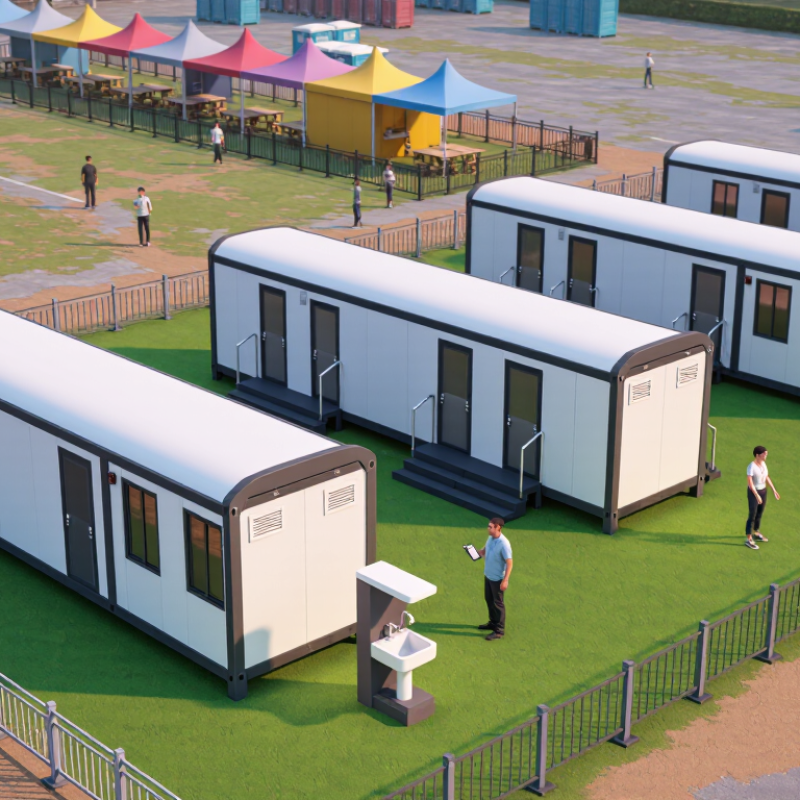
Define the Intended Use and Site Requirements
Before comparing mobile public toilets, define who will use them, for how long, and during which peak periods. A weekend market with brief visits needs a different setup from a worksite used all day. Estimate busy-hour arrivals, not just total attendance; queues can form quickly when several groups arrive together. Decide whether visitors need step-free access, family changing space, handwashing, or separate facilities. These choices affect capacity and placement.
Inspect the actual site. Note the usable ground, slope, drainage, shade, wind exposure, and delivery route. Keep entrances easy to find, but away from food lines and quiet seating. Check where water, power, and waste collection can connect, or whether self-contained units are more practical. Leave room for doors, waiting lines, and servicing. A plan that fits on paper may fail when a service vehicle cannot turn or rain softens the ground. That detail is easy to miss.
Tips: Walk the site during its busiest period. Measure the route. Check after rain. Ask how often each unit needs servicing, then account for that schedule in staffing plans.
How to Choose a Mobile Public Toilet in 2026? - Define the Intended Use and Site Requirements
| Intended Use | Typical Demand Pattern | Layout and Accessibility Needs | Site and Service Requirements | Key Selection Priorities |
|---|---|---|---|---|
| Construction site | Regular use by a known workforce during shifts, with busier periods at breaks. | Choose capacity based on the number of workers, shift schedule, and applicable workplace requirements. Consider separate facilities where required by local rules. | Check delivery access, a stable level placement area, servicing access, and whether water, power, or sewer connections are available or needed. | Durable construction, reliable servicing, secure placement, and a maintenance plan matched to worker numbers and use. |
| Outdoor event or festival | Short, high-volume peaks before and after performances, during intervals, or around food and drink areas. | Plan for queues and distribute facilities across the site. Include accessible units and family facilities where the audience and applicable requirements call for them. | Map vehicle access, ground conditions, pedestrian routes, lighting, servicing routes, and locations away from food preparation areas. | Peak-period capacity, convenient placement, clear wayfinding, frequent cleaning, and fast replenishment or waste servicing. |
| Park, beach, or recreation area | Variable demand shaped by weekends, holidays, weather, and seasonal visitor numbers. | Provide a step-free route where feasible and select accessible facilities in line with local accessibility standards. Consider changing facilities at beaches or swimming areas. | Assess ground firmness, flood or storm exposure, distance from maintenance access, privacy, lighting, and availability of water and power. | Weather resistance, ease of cleaning, accessible approach, seasonal servicing, and a location that fits the public circulation plan. |
| Emergency response or temporary displacement | Demand may rise quickly and remain high for an uncertain period; site population can change. | Provide a mix of usable facilities, including accessible options. Keep routes clear for users and service vehicles, and consider privacy and safe nighttime access. | Identify a level deployment area, delivery and refilling access, waste collection arrangements, and backup plans if normal utilities are unavailable. | Rapid deployment, flexible capacity, dependable servicing, clear operating responsibility, and contingency arrangements. |
| Street works or temporary public-space project | Demand comes from crews and, in some cases, members of the public using an affected area. | Confirm who may use the facility and choose a location that does not obstruct sidewalks, crossings, entrances, or emergency access. | Check permits, parking or curb-use restrictions, delivery windows, traffic management, surface stability, and access for servicing. | Compact footprint, secure placement, compliance with local permits, and minimal disruption to pedestrian and vehicle movement. |
Planning note: Estimate demand from the expected number of users, length of use, peak arrival periods, and servicing interval. There is no single unit-to-user ratio that applies to every site; confirm capacity, accessibility, sanitation, and permitting requirements with the relevant local authorities.
FAQS
A standalone unit can work for brief events and tight sites. Check its holding tank, ventilation, and service needs.
Choose one when visitors expect a familiar flush experience. It needs water and may require more frequent servicing.
Estimate demand during the busiest hour, not across the full event. A multi-stall trailer may help, but leave vehicle routes and walkways clear.
Review the entrance, ramp, turning space, handrails, and fixture reach. A label alone is not enough. Ask for a dimensioned floor plan.
Match capacity to visitor numbers and event hours. A crowded food area may need extra waste collection. Leave room for a mistaken estimate.
Check lighting, ventilation, privacy latches, soap, and toilet paper. Small things count. Ask who refills supplies and handles failed fixtures.
Check tank seams, vents, handwashing access, seals, and service intervals. Log leaks, odors, and supply shortages; patterns can reveal issues early.
Mark its footprint on the ground and check delivery access. A larger setup can block a vehicle route. I would still test the plan on site.
Ask for documented limits on weather, loading, and cleaning chemicals. Check whether hinges and seals can be replaced. “Heavy-duty” alone says little.
Conclusion
Choosing a Mobile Public Toilet in 2026 starts with understanding how and where it will be used. Consider the expected site conditions, length of deployment, number of users, and available space before comparing layouts and configurations. A suitable unit should have enough capacity for peak demand while providing accessible entry, practical interior space, ventilation, and a comfortable experience for different users.
Look closely at hygiene systems, water and waste handling, cleaning access, and the durability of materials, since these factors affect both daily upkeep and service life. Before making a decision, confirm that the unit can be delivered, installed, and maintained at the intended location, and check applicable requirements with the relevant authorities. Compare the full cost of ownership—not just the purchase price—including transport, setup, servicing, supplies, and eventual removal. Matching these considerations to the project’s needs will help ensure a reliable and practical choice.
