
How to Choose the Best Mobile Restroom in 2026?

Time:2026-11-05 Author:Charlotte
0%

Choosing a Mobile Restroom in 2026 means matching the unit to the people, place, and length of your event. The newest model is not automatically the best choice. A compact unit may suit a small gathering, while a busy worksite may need greater capacity and more frequent servicing. Start by estimating daily users and the hours the restroom will be open. Then consider access, available space, and the route a service vehicle must use.

Look closely at practical details: handwashing facilities, ventilation, lighting, interior space, and stability on the ground. For hot or rainy conditions, ask how the unit handles heat, drainage, and weather exposure. If visitors have varied mobility needs, confirm dimensions and access features with the supplier rather than relying on a product label. Small details matter. A narrow path or soft ground can make a suitable-looking unit difficult to use.

Compare service schedules, cleaning procedures, delivery arrangements, and support if something goes wrong. Ask what is included in the quote, and request specifications in writing. Features and service levels can vary between suppliers, so verify the details for your site and event dates. It is tempting to focus on appearance or price alone. That can be a mistake. The right choice balances comfort, reliability, access, and upkeep. Even a careful checklist cannot predict every site condition, so allow time to review your plan before booking.
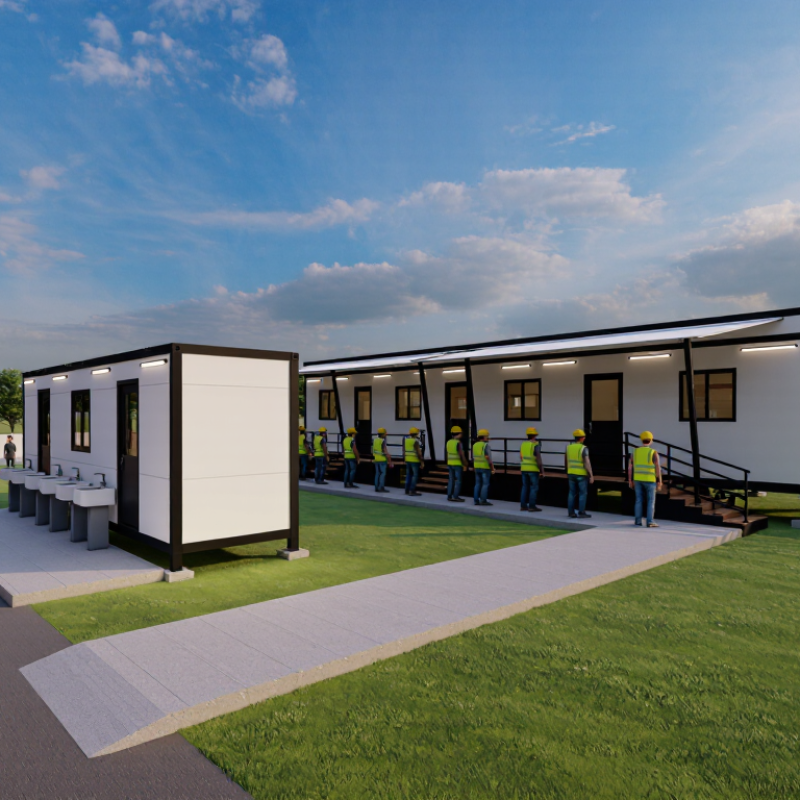
How to Choose the Best Mobile Restroom in 2026?

Define Your Event, Site, and User Requirements

Before comparing mobile restrooms, define what your event actually asks of them. A garden wedding with 120 guests has different needs from a day-long outdoor market. Note the event duration, expected attendance, meal and drink service, and likely peak-use periods. Small details matter. A crowded interval after a performance can create longer queues than the total guest count suggests.

Then inspect the site, not just the booking plan. Measure access routes and check turning space, ground firmness, slope, shade, and distance from activity areas. Consider where service vehicles can reach the units without crossing guest paths. A quiet corner may look ideal on a map, but it can be hard to find after dark. Walk the route if possible. Photos can miss a muddy patch or a narrow gate.

User needs should shape the specification. Ask whether guests need step-free access, wider interiors, changing space, or nearby handwashing. Confirm how many units are appropriate for your attendance and event length, and ask how often they will be serviced. There is no single number that fits every crowd. I would also leave room for uncertainty: attendance estimates can be wrong, and weather can change site conditions. Check accessibility expectations and service arrangements with the venue and provider before confirming placement.

How to Choose the Best Mobile Restroom in 2026: Define Your Event, Site, and User Requirements

Planning note: These selected dimensions from the 2010 ADA Standards for Accessible Design can help guide site and unit requirements: accessible routes are generally at least 36 inches wide, door openings at least 32 inches clear, turning spaces 60 inches in diameter, and water-closet seats 17–19 inches high. Confirm applicable requirements for your site and layout. Also consider attendance, event duration, ground conditions, servicing access, and users’ accessibility needs when choosing units.

Compare Mobile Restroom Types and Layouts

How to Choose the Best Mobile Restroom in 2026?

Compare Mobile Restroom Types and Layouts

Single-unit restrooms suit small crews, roadside work, and compact outdoor gatherings. They are quick to position, but queues build when attendance rises. For longer events, multi-stall units separate traffic and can reduce waiting. A restroom trailer adds interior lighting, sinks, and enclosed circulation. It needs more setup space and a suitable access route.

Layout matters as much as unit count. The U.S. Access Board’s 2010 ADA Standards specify a 60-inch turning space for wheelchair users and a 32-inch minimum clear door opening. These figures are useful planning references, not a complete accessibility checklist. Confirm the full layout with a qualified supplier, including approach space, grab bars, and a usable handwashing area. Small details matter.

Match the floor plan to real movement. Sketch where guests enter, queue, wash hands, and leave; avoid placing the line across a service path. A single accessible unit beside standard stalls can improve access, while a trailer may better serve formal events. The U.S. Environmental Protection Agency’s WaterSense at Work guide provides commercial restroom water-use guidance; compare fixture specifications and refill needs when evaluating sink-equipped layouts. I would still walk the proposed site before booking. Mud, cables, and a narrow turning area can make a tidy drawing misleading.

Assess Capacity, Accessibility, and Essential Features

Capacity starts with peak demand, not the guest total. Estimate arrivals per hour, event length, and how far units sit from busy areas. OSHA’s construction sanitation standard, 29 CFR 1926.51(c), sets one toilet for 20 or fewer workers, and one toilet seat plus one urinal per 40 workers for sites with 21–199 workers. It is a workplace benchmark, not an event formula. Still, it shows why headcount alone can mislead.

Accessibility needs a site check, too. The U.S. Access Board’s 2010 ADA Standards specify a 32-inch minimum clear door opening and a 60-inch turning space in relevant accessible spaces. Check that the unit’s entry is step-free and its ramp does not block the doorway. Confirm room for a mobility device, handrails, and reachable handwashing facilities. Small details matter.

Essential features should match the setting: lighting for evening queues, ventilation, secure latches, and handwashing supplies. Ask how often tanks will be serviced, especially during long events or hot weather. Keep service vehicles’ access clear. I still find capacity estimates easy to overtrust; a quick site walk can reveal narrow paths or uneven ground that a spreadsheet misses.

Check Sanitation, Servicing, and Safety Standards

How to Choose the Best Mobile Restroom in 2026?

Check Sanitation, Servicing, and Safety Standards

A clean-looking unit is only the starting point. Ask how often it will be serviced, who checks it, and whether service visits are logged. The U.S. Occupational Safety and Health Administration’s construction sanitation table sets one toilet for 20 or fewer workers, with additional facilities required as crews grow. Treat this as a useful benchmark, not a universal event-planning rule. Match capacity to expected attendance, visit length, and peak periods. A queue beside an empty handwash dispenser is a real warning sign.

Inspect the details people use in a hurry: a stable, non-slip step; a door that latches; clear interior lighting; and enough ventilation to reduce heat and odors. Ask how spills, full waste tanks, and urgent service calls are handled. A service log is useful, but it cannot replace a walk-through before guests arrive. I would also check the unit after a busy period, when small problems tend to show. Standards matter. So does follow-through.

Compare Total Costs and Choose a Reliable Provider

How to Choose the Best Mobile Restroom in 2026?

Compare the full service, not just the rental price. A low quote may exclude delivery, pickup, cleaning, handwashing stations, extra servicing, or emergency callouts. Ask for an itemized estimate covering the rental period, expected users, access conditions, and possible overage fees. A gravel road or locked gate can change delivery costs. So can a sudden guest-count increase.

For construction projects, OSHA’s sanitation standard, 29 CFR 1926.51, specifies at least one toilet for 20 or fewer workers. Treat this as a baseline, not a universal event-planning formula; usage and service frequency also matter. Compare providers on written cleaning schedules, response times, insurance, and documented waste handling. Ask who answers after hours and how quickly a missed service is corrected. A polished proposal is useful, but it cannot guarantee reliable field service.

Tips: Request a sample invoice and confirm every surcharge before booking. Check that the proposed unit fits through the site entrance, then get service visits in writing. Compare total costs over the full rental period. One trade-off is easy to miss: the cheapest plan may work, but leave little room for delays or heavier use.

How to Choose the Best Mobile Restroom in 2026? - Compare Total Costs and Choose a Reliable Provider

Compare restroom types by facilities, access needs, and estimated all-in cost. The figures below are illustrative U.S. budget allowances for one unit at a one-day event, before tax, using sample quote inputs and local delivery assumptions.

Restroom option Best suited for Facilities and access Service and site needs Illustrative cost breakdown Estimated total What to confirm with the provider
Standard portable toilet Outdoor events, construction sites, and locations needing a basic, self-contained unit. Basic toilet; typically no running water or electrical connection. Not a substitute for an accessible unit. Usually no utility hookup. Ask how often servicing is included, especially for multi-day use or high attendance. Sample rental allowance: $175
Delivery and pickup: $125
$300 Delivery window, placement requirements, included servicing, cleaning, and overage or cancellation fees.
Accessible portable toilet Events or sites that need an accessible standalone unit in addition to other restrooms. Designed with a larger interior and access features; confirm the exact unit and route meet the site’s accessibility requirements. Generally self-contained. Place on a firm, level surface with an accessible route and adequate maneuvering space. Sample rental allowance: $250
Delivery and pickup: $125
$375 Interior dimensions, ramp or ground-level access, door clearance, placement, and applicable local accessibility rules.
Flushable portable restroom Events where a more familiar, upgraded experience is preferred without a full restroom trailer. Flush feature; handwashing arrangements vary by unit, so confirm whether a sink and water are included. May need water and waste servicing depending on the model and rental period. Confirm the service plan before booking. Sample rental allowance: $350
Delivery and pickup: $150
Water or waste service allowance: $75
$575 Included fixtures, water requirements, waste capacity, cleaning schedule, and charges for additional service visits.
Restroom trailer Weddings, longer events, or settings where multiple private restroom stalls and a more finished interior are desired. May include multiple stalls, sinks, lighting, and climate control; features vary by trailer. Ask about accessible configurations. Often requires suitable parking, a level setup area, and utility connections or an agreed water, power, and waste plan. Sample rental allowance: $1,500
Delivery and setup: $400
Service allowance: $150
$2,050 Stall count, included attendants or cleaning, power and water requirements, setup space, delivery access, and overtime fees.

How to compare total cost: Add rental, delivery and pickup, setup, servicing, utilities, attendants, permits if required, taxes, and any overtime or cancellation fees. These sample amounts are planning placeholders, not verified market averages or quotes; actual prices vary by location, dates, unit availability, rental duration, and site conditions. Request itemized written quotes from multiple providers before choosing.

FAQS

How do I estimate how many mobile restrooms an event needs?

Consider attendance, event length, food and drink service, and peak-use times. A crowd leaving a performance together can create a sudden queue. Headcount alone can mislead.

What should I check when choosing a site location?

Measure access routes, turning space, ground firmness, slope, shade, and distance from activities. Walk the route. Photos may hide mud or a narrow gate.

How can I plan for accessibility?

Confirm step-free entry, ramp placement, interior turning space, handrails, and reachable handwashing. Discuss specific needs with the venue and provider before placement.

Which features matter for evening events?

Look for interior lighting, ventilation, secure latches, and handwashing supplies. Check the path and queue area, too. A well-lit unit can still be hard to find after dark.

How often should the units be serviced?

Request a written schedule and ask who checks supplies and tanks. Long events and hot weather may require more frequent visits. Keep service vehicle access clear.

What hygiene details should I verify?

Confirm that soap, water, and paper will be replenished. The setup should support proper handwashing, not just a quick rinse. The CDC recommends scrubbing hands for at least 20 seconds.

Can worker-to-toilet ratios determine event capacity?

They offer context, but they are not an event formula. Consider event length, arrival peaks, unit locations, and accessibility needs. I still tend to trust headcounts too much.

What should I inspect before guests arrive?

Check the step, door latch, lighting, ventilation, supplies, and service log. Recheck after a busy period. Small problems show up then.

Conclusion

Choosing the best Mobile Restroom in 2026 starts with understanding the event, site conditions, and people who will use it. Consider the expected crowd size, event duration, available space, ground conditions, and distance from service access. Then compare restroom types and layouts, weighing privacy, comfort, mobility, and suitability for indoor or outdoor settings.

Next, estimate capacity and check that the options provide appropriate accessibility and useful features such as handwashing, ventilation, lighting, and clear signage. Ask how often units will be cleaned and restocked, how waste will be handled, and what safety measures are included. Finally, compare the full cost—not just the initial rental price—including delivery, setup, servicing, and collection. A reliable provider should explain these details clearly, helping you choose a practical, hygienic solution that fits your needs and budget.

Charlotte

Charlotte

Charlotte is a seasoned marketing professional with a deep understanding of the company's portfolio and a passion for elevating its presence in the market. With a keen eye for detail and a commitment to excellence, she ensures that our professional blog is regularly updated with insightful articles......