
Why Choose a Mobile Toilet for Your Business?

Time:2026-10-31 Author:Liam
0%

A business rarely notices restroom capacity until queues form, staff leave their stations, or customers begin searching for another option. A Mobile Toilet can help address those pressure points at construction sites, outdoor events, seasonal venues, and expanding workplaces. The right unit should fit expected use, available space, servicing access, and the needs of the people using it. Small details matter: a stable entrance, clear placement near activity areas, and a reliable cleaning schedule can shape the daily experience.

A note on attribution: no source article or verifiable expert quotation was provided, so the following is an illustrative statement, not a real person’s verified quote. Mobile Toilet operations specialist Jordan Reed (a fictional example) might say, “A restroom works best when people can find it, use it comfortably, and trust it will be serviced.” That is the practical test. A unit that looks adequate on a site plan may feel cramped during a busy shift. Businesses should compare capacity, accessibility, ventilation, handwashing options, and maintenance arrangements before choosing. There is no universal setup; even a carefully planned placement may need adjustment after real use.
Why Choose a Mobile Toilet for Your Business?

What a Mobile Toilet Is and How It Serves a Business

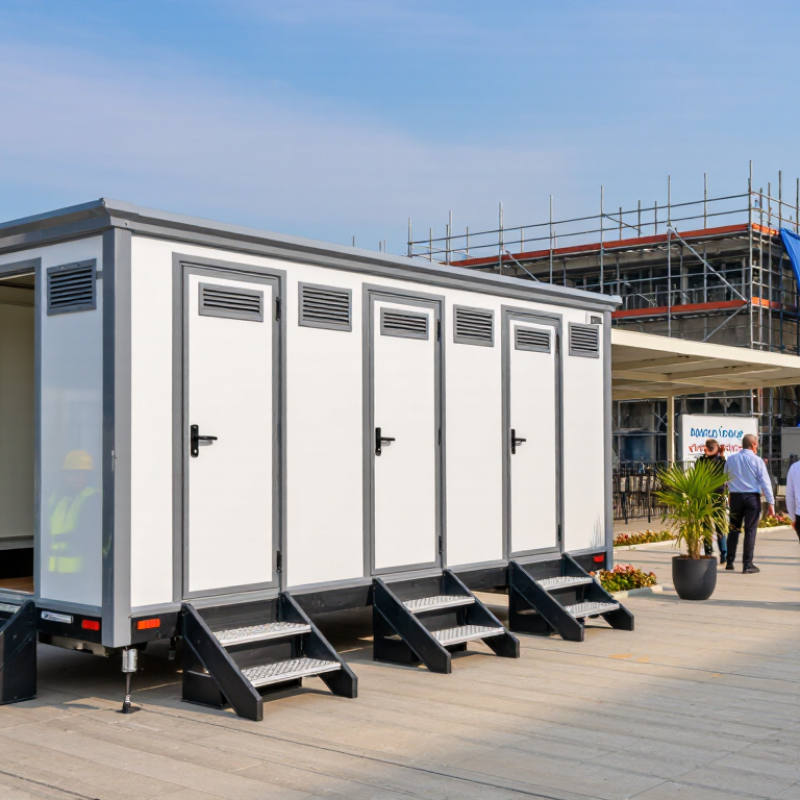
A mobile toilet is a self-contained restroom that can be moved to a worksite, event, or business location. Depending on the unit, it may include a holding tank, handwashing facilities, lighting, and a step-free entrance. Some models connect to water and sewer lines; others operate without permanent plumbing. It is more than a cabin delivered to a site. Placement, access for servicing, and the number of expected users all affect whether it works well. Small details matter. A unit tucked behind stored materials may be technically available but difficult for customers to find.

For a business, a mobile toilet can support staff and visitors when existing restrooms are distant, under renovation, or insufficient during busy periods. A construction crew, garden center, or outdoor market may need a different layout and service schedule. Before choosing a unit, estimate peak use, check the ground and vehicle access, and confirm who will handle cleaning and waste removal. This part is often underestimated. A mobile restroom still needs regular attention, and poor placement can create queues or reduce privacy. It may solve an immediate access problem, but it will not automatically make a site convenient.

Business Situations That Call for Mobile Toilets

Why Choose a Mobile Toilet for Your Business?

Business Situations That Call for Mobile Toilets

A mobile toilet can help when a business site lacks enough permanent facilities or cannot easily connect to plumbing. Outdoor markets, food fairs, sports days, and temporary ticketed events often bring more visitors than nearby restrooms can handle. Queues build quickly. Placing units near entrances, activity areas, and staff zones can reduce unnecessary walking and crowding.

Construction and renovation projects create another common need. Workers may be spread across a large site, while existing washrooms are out of service or far from the work area. A unit placed on stable, accessible ground can make breaks more practical. For longer projects, arrange regular servicing and check supplies, cleanliness, and access throughout the workday. One delivery is not a maintenance plan.

Mobile toilets can also suit seasonal businesses, remote work sites, and short-term emergency repairs that interrupt normal facilities. Before booking, estimate attendance, operating hours, and the needs of staff and visitors with disabilities. Requirements vary by location, so check applicable standards and site conditions. It is easy to focus on unit count and overlook placement; a toilet tucked behind equipment may be available, but not useful.

Key Benefits for Staff, Customers, and Operations

A mobile toilet can make a worksite or outdoor event more comfortable for staff and customers. People should not have to leave the site to find basic facilities. That matters on construction projects, at seasonal markets, and during long service shifts. A nearby, clearly marked unit can reduce interruptions and help visitors feel considered. Small detail. Big difference.

For staff, reliable access supports breaks without unnecessary travel. For customers, a clean, well-positioned toilet can make a visit easier, especially for families and people with limited mobility. Choose a unit with suitable access, ventilation, lighting, and handwashing facilities for its users. Placement matters too: keep the route visible and firm underfoot, while avoiding busy loading areas. Check that service vehicles can reach the unit when needed.

Operations benefit when facilities can be placed where permanent plumbing is unavailable or impractical. Before hiring, estimate daily use, peak periods, and how often servicing will be required. A unit that looks adequate on paper may become inconvenient during a busy afternoon. It is worth reviewing the plan after opening; actual use can differ from estimates. Mobile toilets do require upkeep, and poor cleaning schedules quickly undermine their value. A practical arrangement makes staff and customers more comfortable without pretending maintenance takes care of itself.

How to Choose the Right Mobile Toilet Setup

Choosing the right mobile toilet setup starts with the people using it and the conditions on site. Estimate daily users, peak periods, and how long the unit will remain in place. A small renovation crew has different needs from a weekend market with steady visitor traffic. Be realistic about busy hours, not just the average day.

Think through placement before arranging delivery. The unit needs a firm, level surface, a clear route for users, and enough access for routine servicing. Keep it close enough to be convenient, but away from food preparation and heavy pedestrian flow. Check whether handwashing facilities should sit beside the toilet or in a separate area. For guests with mobility needs, confirm that the chosen unit and the route to it are genuinely usable. A listed feature does not help if a cable, step, or muddy patch blocks the way.

Next, match the service schedule and capacity to expected use. Ask how often waste will be removed, who handles cleaning, and what happens if attendance rises unexpectedly. These details can be less exciting than choosing a location, yet they affect comfort every day. Still, no estimate is perfect. Leave room for a change in attendance, and inspect the setup after the first busy shift. A quick check of supplies, floor condition, and access can reveal problems that a site plan missed.

Why Choose a Mobile Toilet for Your Business? - How to Choose the Right Mobile Toilet Setup

Setup type Best suited for Typical facilities Site requirements Servicing considerations Key selection point
Standard portable toilet Construction sites, outdoor work areas, and short-term events Enclosed cubicle, toilet seat, holding tank, and usually a hand-sanitizer dispenser A level, stable placement area with vehicle access for delivery and pump-out Service frequency depends on user numbers, tank capacity, weather, and duration of use A practical choice where basic facilities and quick deployment are priorities
Accessible portable toilet Public-facing sites and events that need an accessible option More interior maneuvering space; models may include handrails and a wider doorway Firm, level access and a suitable approach route; check applicable accessibility rules Requires the same waste servicing as comparable portable units Confirm the unit’s dimensions and features against local requirements and site access
Portable toilet trailer Weddings, corporate events, and temporary guest facilities Multiple stalls; some models offer separate rooms, sinks, lighting, or climate control Adequate space for the trailer, towing-vehicle access, and, for some models, water and electrical connections Check fresh-water and waste-tank capacity, connection needs, and the service plan Choose based on expected demand, desired amenities, and available hookups
Restroom container or modular unit Longer-term projects, remote sites, and temporary facilities for a larger workforce Configurable rooms and fixtures; options may include sinks, showers, or separate sections Delivery access and a prepared placement area; plumbing and electrical connections may be required Plan for water supply, wastewater handling, cleaning, and routine system checks Confirm transport dimensions, installation needs, utility availability, and rental duration

Planning note: Capacity, fixtures, dimensions, utility needs, and servicing schedules vary by unit and supplier. Confirm site conditions, expected usage, and local health and accessibility requirements before selecting a setup.

Placement, Servicing, and Regulatory Requirements

A mobile toilet works best when its location is planned before the site gets busy. Set it on firm, level ground where service vehicles can reach it without crossing pedestrian routes. Keep the entrance visible, well lit, and clear of stored materials. On a construction site, check that the unit is near workers but away from dust, active machinery, and meal areas. Small details matter. I have seen plans overlook the service truck’s turning space; that can make routine cleaning awkward. Consider accessible units and step-free routes where needed, and check local requirements for their placement.

Servicing frequency should match actual use, not just a calendar. A small crew may need less frequent visits than a public event with steady foot traffic. Ask the service provider about waste capacity, handwashing supplies, response times, and what happens after a spill or breakdown. Keep a simple service log. It helps identify patterns. Rules for sanitation, accessibility, setbacks, and permits vary by location and site type. Confirm current requirements with the relevant local authority before delivery. One assumption worth questioning: a unit that fits on a map may still block a gate or create a queue in practice. Walk the site and test the route.

Why Choose a Mobile Toilet for Your Business?

Indicative servicing plan by daily usage

These are illustrative planning estimates, not regulatory requirements. Actual servicing needs depend on usage, unit capacity, weather, and site conditions. Place units where users can reach them safely, and confirm accessibility, placement, servicing, and sanitation rules with your local authority.

FAQS

When does a business need a mobile toilet?

Use one when permanent washrooms are unavailable, too distant, or unable to handle visitor numbers. Outdoor fairs and renovation sites are common examples.

Where should units be placed?

Choose firm, level ground near entrances or work areas. Keep routes visible and clear of loading traffic. A hidden unit helps nobody.

How many units are needed?

Estimate daily users, peak periods, and operating hours before booking. A weekend market may need more capacity than a small crew. Estimates can miss.

What should businesses check for accessibility?

Consider users with limited mobility and provide a firm, clear route. Confirm the selected unit is genuinely usable, not just listed as accessible.

How often should servicing happen?

Match cleaning and waste removal to expected use. Check supplies and cleanliness during the day. One delivery is not a maintenance plan.

Are handwashing facilities needed?

Consider handwashing beside the toilet or in a nearby separate area. Choose based on users and site layout. Small detail, easily missed.

How can a unit avoid disrupting operations?

Keep it away from food preparation and heavy foot traffic, while allowing service vehicles to reach it. Queues build quickly.

What should managers inspect after opening?

After the first busy shift, check supplies, floor condition, and access. Actual attendance may differ from the plan. A quick check can catch overlooked problems.

Conclusion

A Mobile Toilet gives businesses a practical way to provide restroom access wherever permanent facilities are unavailable, insufficient, or temporarily out of service. It can support construction sites, outdoor events, seasonal operations, remote work areas, and temporary customer spaces. By placing suitable facilities close to where people work or gather, businesses can improve comfort, hygiene, and accessibility while helping daily operations run smoothly.

Choosing the right setup means considering the number of users, the length of use, site conditions, and any accessibility needs. Careful placement should balance convenience, privacy, safe access, and service vehicle reach. Regular cleaning, waste removal, and restocking help keep facilities usable, while checking applicable local requirements supports responsible operation. With thoughtful planning and consistent servicing, a Mobile Toilet can be a dependable part of a business’s facilities plan.

Liam

Liam

Liam is a dedicated marketing professional with a profound expertise in the industry, where he excels at highlighting the unique advantages of our core products. With a keen understanding of market trends and consumer needs, Liam frequently updates our company’s professional blog, providing......