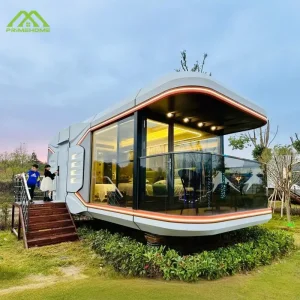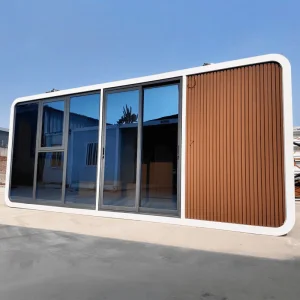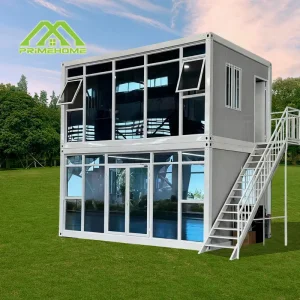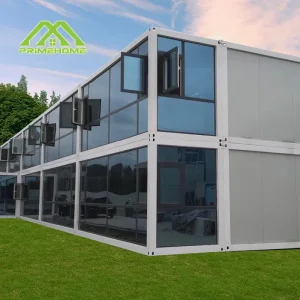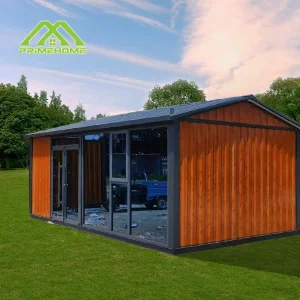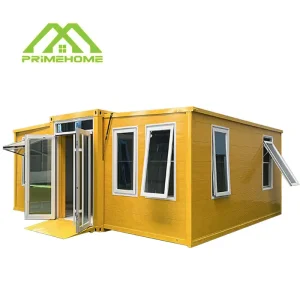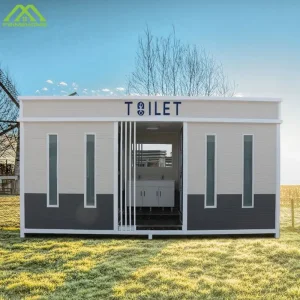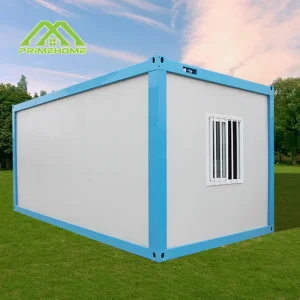
Featured Modular Engineering Solutions (Primary Series)
Direct factory-engineered converted container units manufactured under strict ISO 9001 and CE quality standards for commercial, residential, and emergency deployment worldwide.
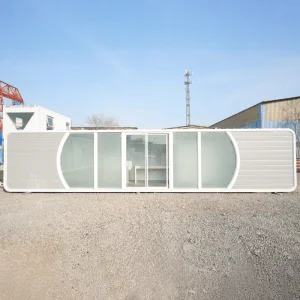

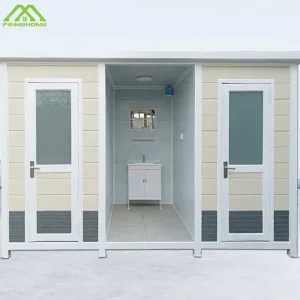
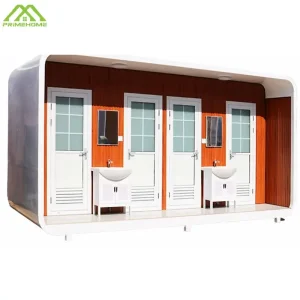
The Global Shift Toward Converted Container Architecture
The global construction landscape is experiencing a paradigm shift driven by Environmental, Social, and Governance (ESG) mandates, rising labor costs, and the urgent need for rapid-deployment infrastructure. Converted shipping containers—engineered from heavy-duty CORTEN weathering steel (ISO 1496-1 specifications)—have transitioned from temporary site sheds into high-value commercial assets and permanent residential complexes.
Modern conversion methodologies integrate computerized numerical control (CNC) laser cutting, structural steel reinforcement (RHS/SHS sections), closed-cell polyurethane (PU) insulation, and double-glazed low-E curtain walls. This transforms standardized 20ft and 40ft intermodal ISO containers into architectural units meeting stringent International Building Code (IBC) and European Norms (EN 1090-1).
China’s Manufacturing Supremacy in Modular Container Prefabrication
As the epicenter of global container manufacturing, China produces over 90% of the world's intermodal shipping containers. Advanced industrial clusters in regions like Jiangsu (Suzhou) leverage complete end-to-end supply chains—from raw CORTEN steel milling to automated electrostatic powder coating lines.
Full Supply Chain Integration
Direct proximity to top-tier steel mills and specialized sandwich panel manufacturers guarantees material consistency, allowing factories to source 75mm Rockwool or 100mm PU panels at competitive bulk economies.
Advanced Robotic Welding & Plasma Cutting
Factory automation ensures sub-millimeter precision in structural cuts and floor frame welding. Automated submerged arc welding creates airtight joints that prevent water ingress and oxidation over a 30-year lifespan.
Cost-Efficiency & Turnkey Assembly
Chinese OEM/ODM factories complete up to 85% of internal fit-outs off-site—including pre-wired conduit networks (UL/CE certified), sanitary plumbing, and modular cabinetry—slashing site labor costs for overseas importers.
Engineering Matrix: Choosing the Right Container Conversion Format
Selecting the optimal container modification system depends on transportation logistics, deployment velocity, site foundation constraints, and thermal insulation requirements.
| Conversion Type | Structural Frame | Insulation & U-Value | Deployment Time | Logistics Efficiency |
|---|---|---|---|---|
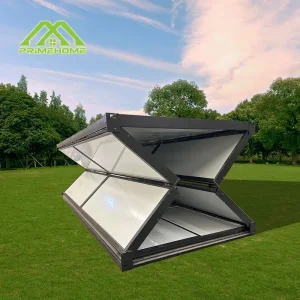
| Expandable Container House | Galvanized Steel + Hinged Wing Panels | 50-75mm EPS/PU ($\le 0.024 \text{ W/m·K}$) | 2 Hours / Unit | 1x 40HQ holds 2 Units (Unfolded space: 74 sqm) |
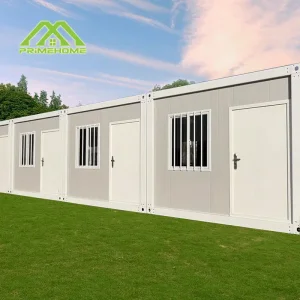
| Flat Pack Modular Container | Cold-Rolled Galvanized Profile Frame | 60-100mm Rockwool ($\le 0.038 \text{ W/m·K}$) | 3 Hours / 4 Workers | 1x 40HQ holds 6-8 Bundled Flat Pack Units |
| Apple Cabin & Space Capsule | Integrated Steel Skeleton + Aviation Aluminum Shell | Polyurethane Spray Foam + Vacuum Glass | Plug & Play (Immediate) | Shipped as Complete Finished Module |
| Detachable Container House | Bolted Corner Fitting Frame | 50mm EPS Sandwich Wall Panel | 4 Hours / Unit | 1x 40HQ holds up to 12 Disassembled Units |
Localized Application Scenarios: Global Deployment Profiles
Custom converted container structures adapt to diverse climate zones and regulatory environments globally. Key application sectors include:
Commercial Eco-Resorts & Glamping
Streamlined Apple Cabins and Space Capsules feature floor-to-ceiling panoramic glass, smart home automation, and lightweight structural foundations. They provide high ROI for hospitality operators in scenic areas with strict land-use regulations.
Industrial Camps & Remote Workforce Housing
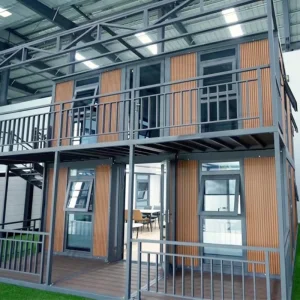
Multi-story flat-pack and detachable container complexes serve as durable dormitories, dining halls, and executive offices for mining, petroleum, and infrastructure projects across Australia, South America, and Africa.
Civic, Emergency & Municipal Infrastructure
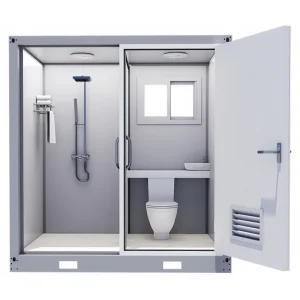
High-efficiency container restrooms, mobile clinics, and expandable disaster relief shelters provide immediate sanitary and medical infrastructure following natural disasters or rapid urban expansions.
Future Trends: Next-Generation Modular Conversion Technologies
The container conversion industry is moving toward smart, net-zero architectural ecosystems. Key technical advancements reshaping the market include:
2. Building Information Modeling (BIM): Complete digital twin modeling during factory design reduces component tolerance errors to under 0.5mm and accelerates regulatory approval processes in importing nations.
3. Low-VOC & Green Envelope Materials: Transitioning to bio-based insulation foams and zero-formaldehyde internal wall finishes ensures compliance with indoor air quality standard EN 717-1.
B2B Procurement Framework: Mitigating Risk in Container Imports
International procurement teams must evaluate key technical indicators when selecting OEM converted shipping container manufacturers in China:
1. Certifications & Building Codes
Verify manufacturer compliance with structural welding standard EN 1090-1, electrical harness safety (UL 94 / CE), and regional thermal performance standards (e.g., Australian NCC Section J or US IECC).
2. Structural Steel Coating Quality
Ensure frames utilize hot-dip galvanizing ($\ge 120\text{g/m}^2$) combined with epoxy zinc-rich primer and polyurethane topcoats to achieve ISO 12944 C3 or C4 corrosion resistance classifications.
3. Freight Optimization & Loading Plans
Evaluate whether units ship as SOC (Shipper Owned Container) intermodal boxes or collapsed flat-packs to minimize sea freight costs per usable square meter.
Frequently Asked Questions (Technical Sourcing Guide)
Detailed answers to key engineering, regulatory, and logistics queries raised by enterprise procurement officers.
Extended Modular & Containerized Product Portfolio
Explore our complete catalog of specialized container conversions, Apple Cabins, Space Capsules, and modular sanitary units engineered for worldwide export.