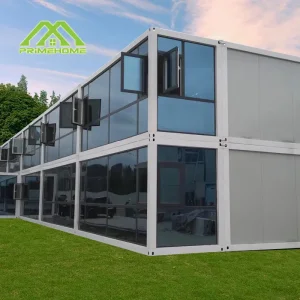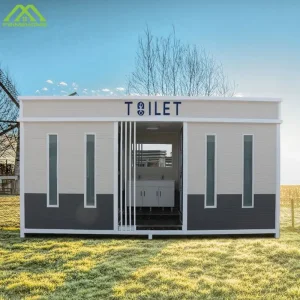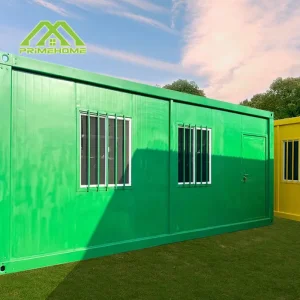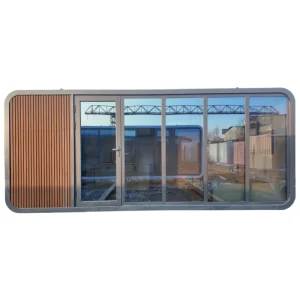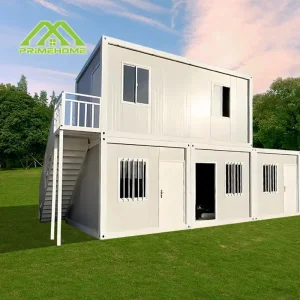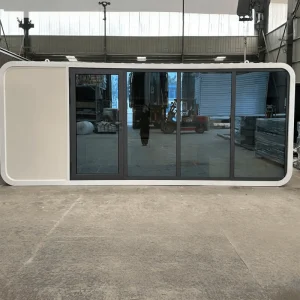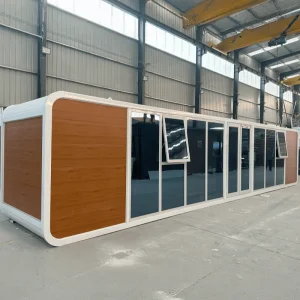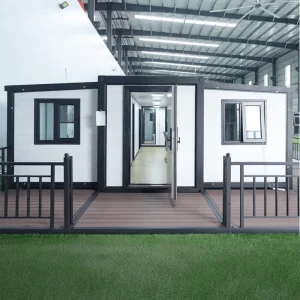
High-Efficiency Modular Units Ready for Global Deployment
Explore our flagship configurations ranging from rapid-deployment expandable pods to luxury Japanese-engineered sanitary facilities, crafted directly in our ISO-certified facilities.
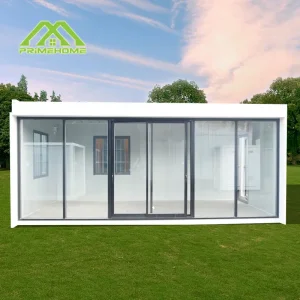
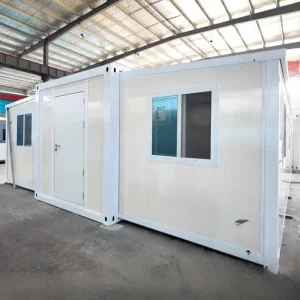
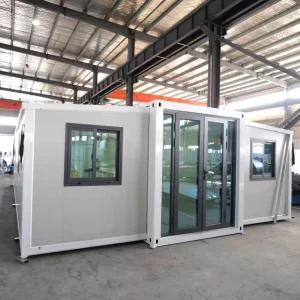
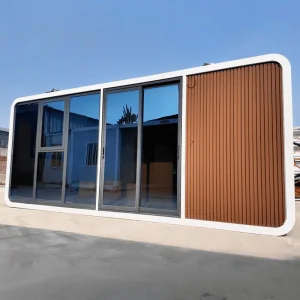
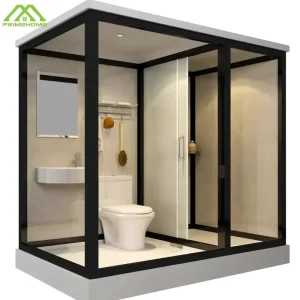
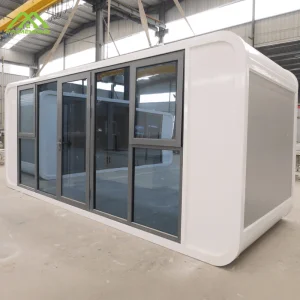
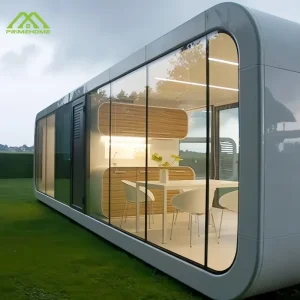
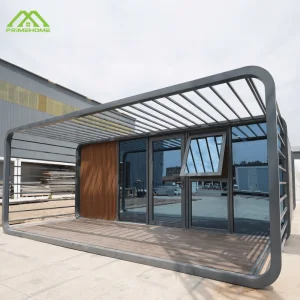
Overcoming the Global Sanitation Infrastructure Deficit
Industrialization, severe climatic events, and the exponential expansion of decentralized commercial activities demand a paradigm shift from transient polyethylene units to robust, factory-engineered modular sanitation infrastructure.
Structural Steel Envelope Resilience
Traditional blow-molded chemical toilets suffer from severe UV embrittlement, structural instability under winds above 45 mph, and high lifecycle replacement overhead. Modern prefabricated container restrooms leverage heavy-duty Q235B hot-dip galvanized steel chassis capable of resisting Category 3 hurricane loads (120+ mph) and localized ground acceleration up to Seismic Zone 4. Anti-corrosive polyurethane dual-pack coatings shield outer envelopes against coastal salt-spray and acidic atmospheres.
Off-Grid Closed-Loop Sanitation
The contemporary sanitation matrix decouples remote operation from municipal utility mains. Modern engineered container units incorporate integrated micro-filtration wastewater processing, aerobic bioreactor digestion, and dual black/greywater holding chambers with automated high-level shutoff sensors. Combined with 4.5L/1.8L ultra-low-flush vacuum aspiration toilet systems, freshwater procurement needs drop by up to 82% compared to standard gravity flush installations.
Factory Controlled Embodied Carbon
By migrating over 92% of the plumbing, thermal envelope fitting, and electrical assembly processes from outdoor sites to cleanroom indoor jigs, raw material waste is compressed below 2.8%. Structural cores utilize 95% recyclable structural steel, while thermal performance is governed by zero-ODP, zero-GWP closed-cell polyisocyanurate (PIR) or high-density rock wool cores, dramatically shrinking HVAC consumption in extreme ambient conditions spanning -40°C to +55°C.
International Regulatory Compliance & Structural Matrix
Engineered for seamless international compliance across North America, Europe, Australia, and the GCC. Review our structural and MEP (Mechanical, Electrical, Plumbing) technical specifications.
| Sub-System | Material / Structural Specification | Applicable Global Standard | Performance Benchmark |
|---|---|---|---|
| Chassis & Perimeter Frame | High-tensile cold-formed Q235B/Q355B steel, corner castings conforming to ISO 1161, 275g/m² zinc hot-dip galvanization | ISO 1496-1, EN 10025-2, ASTM A36 | Floor loading capacity: 4.5 kN/m²; Roof load resistance: 1.5 kN/m² |
| Thermal Envelope & Walls | 50mm–100mm fire-rated PIR or Class A1 non-combustible Hydrophobic Rock Wool core (120kg/m³ density) sandwiched by 0.5mm PVDF steel sheet | ASTM E84 Class A, EN 13501-1 Class A2-s1,d0, AS 1530.1 | Thermal transmittance: U-value ≤ 0.28 W/(m²·K); Sound transmission Class (STC) ≥ 42 dB |
| Plumbing & Sanitary Lines | Schedule 40/80 PVC drain lines, SDR-11 PEX-a freshwater supply, multi-valve manifold design, backflow prevention | Uniform Plumbing Code (UPC), IPC, AS/NZS 3500, WaterMark | Pressure tested to 150 PSI hydrostatically; Zero odor siphon retention depth ≥ 75mm |
| Universal Accessibility | Wheelchair turning radius ≥ 1525mm, ADA-compliant heavy-duty grab bars (250 lbs point load), outward-swing panic bar doors, low-threshold ramp entry | US ADA Standards Title III, AS 1428.1 (Australia), EN 301 549 | Barrier-free transit; emergency pull-cord switch integrated with exterior audio-visual LED beacon |
| Electrical & Smart MEP | Halogen-free fire-resistant copper cabling inside rigid conduit, IP65 waterproof sockets, automated occupancy PIR sensors, HVAC mini-split | NEC (NFPA 70), IEC 60364, CE Marking, AS/NZS 3000 | Class I Type B ground-fault protection (RCD ≤ 30mA, trip time < 40ms) |
| Interior Finishes & Hygiene | Seamless medical-grade anti-bacterial vinyl sheet flooring with welded coving or 3mm aluminum checker plate, nano-antimicrobial ceramic glaze | ISO 22196 (Bactericidal surface activity), OSHA 1910.141 | Chemical scrub resistant; withstands 100% bleach washdown procedures without surface degradation |
Mission-Critical Application Ecosystems
Our custom outdoor portable restroom solutions are engineered for high-demand, mission-critical environments where service disruption, hygienic compromise, or failure is not an option.
Extractive Mega-Camps & Mining
Engineered for continuous multi-shift usage in aggressive environments such as the Pilbara outback or Canadian sub-arctic oil fields. Units include vandal-proof 304 stainless steel fixtures, industrial wash-down drains, high-capacity holding reservoirs with automated freeze-protection heat tracing, and explosion-proof exhaust fans.
Luxury Eco-Resorts & Glamping
Architecturally integrated modular restrooms matching the aesthetic profiles of our renowned Apple Pods and Space Capsules. Featuring full-height fluted composite cladding, concealed indirect LED perimeter lighting, thermostatic shower towers, frameless glass partitions, and ultra-quiet silent macerating waste systems.
Disaster Recovery & Humanitarian
Air-liftable, high-density flat-pack and foldable sanitary modules engineered for rapid humanitarian deployment. Capable of being assembled within 45 minutes per cell using non-specialist labor. Pre-configured with solar electrical interfaces, gravity water supply manifolds, and chemical containment cells to prevent groundwater contamination.
Public Municipal Parks & Events
High-throughput sanitary complexes for large-scale sports arenas, botanical gardens, and metropolitan festivals. Configured with dual-gender corridors, dedicated ADA/DDA accessible chambers, contactless automatic sensor taps, heavy-duty vandal-resistant locking assemblies, and real-time electronic occupancy monitors.
Smart Telematics & The Autonomous Sanitation Roadmap
Sanitation technology is rapidly integrating with the Internet of Things (IoT), building information modeling (BIM), and autonomous mechanical maintenance systems.
IoT Fleet Telematics
Cellular and LoRaWAN enabled ultrasonic tank level sensors transmitting capacity metrics every 60 seconds to centralized fleet management dashboards. Automated dispatch triggers eliminate manual tank inspection rounds, lowering route mileage and pumping logistics overhead by up to 34%.
Electrochemical Odor Neutralization
Active catalytic ozone and cold-plasma atmospheric purification modules operating in ventilation ducts. By oxidizing volatile organic compounds (VOCs) and hydrogen sulfide (H2S) at the molecular level, interior cabin environments remain completely neutral without toxic aerosol perfumes or continuous chemical doping.
Greywater Closed-Loop Recycling
Multi-stage membrane bioreactors (MBR) and UV-C germicidal sterilization arrays treating handwash runoff to reuse-grade wash standards (E. coli non-detectable, turbidity < 0.5 NTU). Treated greywater loops back exclusively for urinal and toilet pan flushing, reducing municipal water dependency to near zero.
Predictive AI Maintenance
In-line pressure transducers, acoustic flow sensors, and solenoid actuator performance diagnostics trained on edge-computing neural networks. The system flags early valve calcification, line micro-fissures, and filter saturation days before mechanical failure disrupts site operations.
B2B Procurement & Engineering Specification FAQ
Clear, unvarnished engineering answers covering customization parameters, logistics, regulatory certifications, and long-term operating costs.
How do PrimeHome container restrooms comply with regional plumbing codes (e.g., UPC, IPC, AS/NZS 3500)?
What internal corrosion protection is applied against caustic chemicals and human waste?
Can the modules be configured for completely off-grid operation without sewage or water lines?
What is the shipping packaging density for global ocean freight?
What thermal insulation packages are recommended for extreme winter or desert environments?
What are the factory lead times for customized fleet procurement orders (20+ units)?
Commercial, Expandable & Specialized Modular Inventory
Review our extended series of prefabricated accommodations, heavy-duty commercial restrooms, and expandable multi-room facilities available for global export.