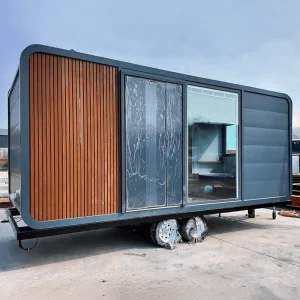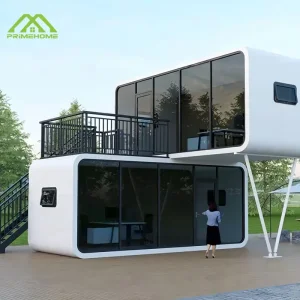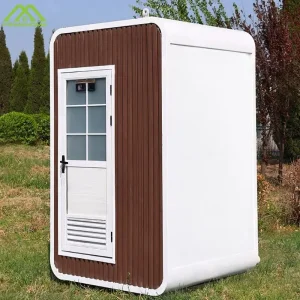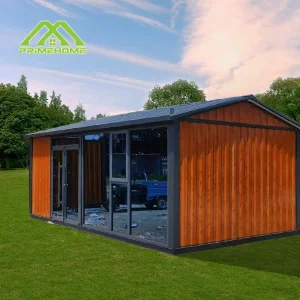
High-Performance Mobile Sanitation Infrastructure
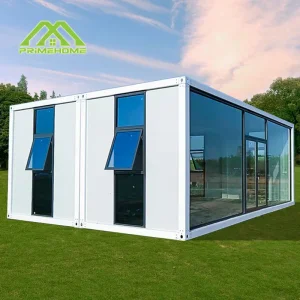
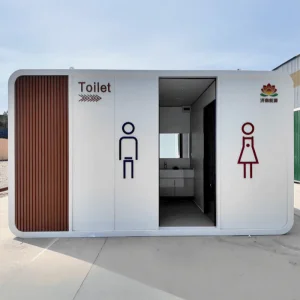
Explore our premium factory-direct prefabricated bathroom pods, expandable sanitary containers, and capsule rest units built to international engineering standards.
1. Executive Summary & Global Commercial Status Quo
Analyzing macro trends driving the transition toward prefabricated mobile sanitation, modular latrines, and rapid-deployment public hygiene units worldwide.
The global demand for mobile bathrooms, portable container latrines, and prefabricated sanitary pods has undergone a paradigm shift. Historically categorized as temporary, low-tier amenities for construction sites, modern mobile sanitation units have evolved into highly engineered, eco-conscious, and architecturally dynamic infrastructure assets. Driven by stringent global ESG (Environmental, Social, and Governance) mandates, accelerating urbanization, public health crises, and the boom in eco-tourism, international procurement bodies are prioritizing modular sanitation solutions engineered for longevity, hygiene, and rapid scalability.
Key Global Growth Drivers (2024–2032 Analysis)
According to industrial sector reports, the modular mobile sanitation market is expanding at a CAGR exceeding 7.8%. Crucial catalysts include UN Sustainable Development Goal 6 (Clean Water and Sanitation), mandatory municipal sanitation protocols at heavy construction zones, and the rapid deployment requirement for disaster relief operations globally.
Commercial operations—ranging from civil engineering megaprojects in the Middle East to humanitarian displacement camps in East Africa and luxury glamping resorts across North America and Australia—demand specialized engineering. Modern B2B buyers no longer settle for basic chemical toilets. Intent-driven procurement centers on off-grid capabilities, vacuum-assisted low-flow systems, anti-microbial surface treatments, smart IoT maintenance telemetry, and compliance with local plumbing and accessibility codes (such as ADA in the US or WaterMark in Australia).
2. Technical Architecture & Future Engineering Outlook
How leading Chinese manufacturers integrate smart sanitation tech, closed-loop waste treatment, and high-durability materials.
Off-Grid Solar-Hydronic Integration
Advanced mobile bathrooms utilize integrated roof-mounted photovoltaic arrays paired with lithium iron phosphate (LiFePO4) storage banks. Integrated solar heating loops heat water efficiently for hot-water shower pods, operating 100% independent of municipal power grids.
Micro-Biological & MBR Waste Processing
Next-generation latrine facilities deploy Membrane Bioreactor (MBR) and aerobic composting units. Blackwater undergoes multi-stage filtration, outputting odorless, pathogen-free graywater suitable for sub-surface irrigation and site dust suppression.
Vacuum Flushing Kinetics
By adapting marine-grade vacuum toilet technology, mobile restrooms reduce water consumption from 6.0 Liters per flush to a mere 0.5–0.8 Liters. This drastically minimizes holding tank pump-out frequency and optimizes logistics for arid remote projects.
Material Engineering & Corrosion Prevention Blueprint
Mobile restrooms and public latrines face extreme operational friction—high moisture levels, chemical cleaning agents, human waste corrosion, and thermal stress. Top-tier Chinese original equipment manufacturers (OEMs) employ strict structural material matrices:
- Structural Steel Framework: Heavy-duty Q235B or Q355 galvanized steel chassis, zinc-coated (min. 120g/m²) to prevent oxidation. Exterior shell components receive marine-grade fluorocarbon electrostatic powder coatings resisting 1,500+ hours of salt-spray testing.
- Composite Envelope Panels: High-density Polyurethane (PU) or Rockwool core sandwich panels with fiberglass-reinforced plastic (FRP) or aluminum skins. FRP interior walls provide seamless, non-porous surfaces that prevent moisture absorption and bacterial growth.
- Floor Substrate & Drainage: Anti-slip patterned aluminum plate or heavy-duty fiber cement board topped with seamless, chemical-resistant hot-welded PVC flooring, sloped precisely toward integrated floor drains for rapid hose-down cleaning.
3. China Factory Supply Chain Resilience & Production Scale
Why leading global EPC contractors, government agencies, and distributors source mobile sanitary infrastructure directly from Chinese industrial clusters.
China’s modular housing and prefabricated sanitary unit manufacturing ecosystem is globally unmatched in terms of component standardization, raw material sourcing, scale economics, and rapid prototyping capabilities. Industrial hubs across Jiangsu (such as Suzhou), Guangdong, and Shandong integrate deep supply networks spanning structural steel, sanitary ware, electrical wiring, and digital sensors within tight geographic radiuses.
Full-Chain Vertical Integration
Chinese factories execute laser cutting, automated robot welding, panel foaming, sanitary fixture fitting, and pre-shipment hydro-electrical testing under a single roof. This vertical consolidation eliminates intermediate markups and reduces manufacturing lead times by up to 60% compared to Western assembly plants.
Cost Efficiency & Volume Scalability
Automated continuous polyurethane sandwich panel production lines enable leading factories to output thousands of sanitary pods monthly. Standardized tooling allows custom design variations—such as dual-cubicle latrines, multi-stall public restrooms, or ADA-compliant units—without significant re-tooling expenses.
Quality Assurance Protocol in Advanced Chinese Factories
Prior to container loading, prefabricated mobile bathrooms undergo rigid factory acceptance tests (FAT), including 100% high-pressure water spray tightness tests, electrical insulation tests, pipe leak pressure testing (at 0.6MPa for 24 hours), and frame load deflection tests.
4. Micro-Localized Application Scenarios
Tailored structural configurations designed to meet specific environmental, commercial, and operational constraints.
Civil Infrastructure & Worker Camps
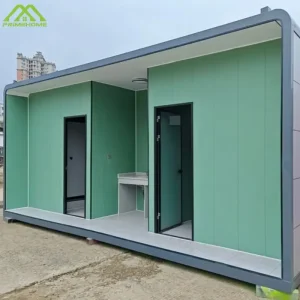
Multi-stall container latrines built into 20ft/40ft ISO frames. Heavy-duty stainless steel fixtures, gang showers, urinal troughs, and vandal-resistant hardware engineered for high-frequency daily use by hundreds of workers.
Luxury Glamping & Scenic Eco-Resorts
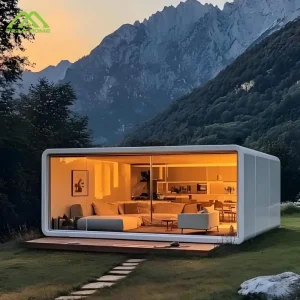
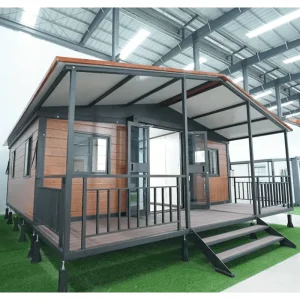
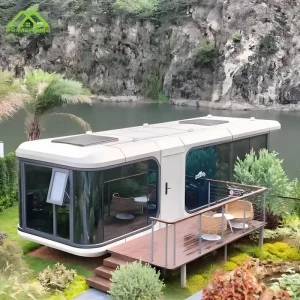
Architectural "Apple Cabins" and Space Capsule bathrooms featuring smart privacy dimming glass, backlit LED mirrors, rainfall thermostatic showers, integrated water heaters, and high-end ceramics for luxury hospitality projects.
Disaster Relief & Emergency Humanitarian Units
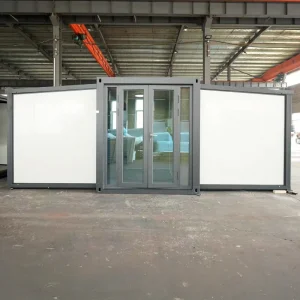
Flat-pack or fold-out mobile latrines optimized for rapid air/sea freight logistics. Erectable within 15 minutes per module, providing clean, hygienic, and dignified sanitation to mitigate water-borne disease outbreaks.
5. Compliance, Plumbing Standards & Localized Support
Ensuring seamless site integration across diverse international legal frameworks and building codes.
Deploying mobile restrooms internationally requires compliance with region-specific structural, electrical, and plumbing standards. Top Chinese manufacturers design modular products pre-certified for global installation:
| Target Region | Key Regulatory Standards | Engineering Compliance Features |
|---|---|---|
| North America (USA & Canada) | ADA Accessibility Standards, IBC Code, UL Electrical Certification, IPC Plumbing | Wide-door wheel-chair ramps, grab bars, 60-inch turning radiuses, 110V/60Hz UL-listed wiring, NPT pipe threads. |
| European Union (EU) | CE Marking, EN 1090 Structural Steel, DIN Plumbing, RoHS Compliance | Low-VOC interior materials, 230V/50Hz CE-certified wiring, dual-flush water-saving valves, ISO-compliant holding tanks. |
| Australia & New Zealand | BCA / NCC, WaterMark Plumbing Certification, AS/NZS 3000 Electrical | WaterMark approved brass fittings, RCD breaker protection, wind load certification up to Category C cyclonic ratings. |
| Middle East & Africa | GCC Hot-Climate Building Standards, UN OCHA Relief Specs | Extra-thick 75mm PU sandwich panels, high-efficiency inverter air conditioning, UV-stabilized external plastic components. |
6. Comprehensive B2B Technical Decision Matrix
Compare sanitation system technologies to match site infrastructure constraints.
| Sanitation Technology | Water Demand | Power Needs | Waste Handling Method | Ideal Project Type |
|---|---|---|---|---|
| Direct Municipal Hookup | Standard (3–6L / flush) | Grid (110V-240V) | Continuous discharge to city sewer | Urban sites, permanent parks, long-term offices |
| Vacuum-Assisted Flush | Ultra-Low (0.5–0.8L) | Solar / Generator | Sealed blackwater vacuum holding tank | Arid regions, high-traffic events, eco-resorts |
| Self-Contained Recirculating | Zero fresh water required | 12V Solar / Battery | Chemical treatment + integrated storage | Remote mining, disaster relief, highway checkpoints |
| Microbial Dry Composting | Zero water required | Low-watt fan only | Bio-degradation into solid organic matter | Protected wilderness areas, mountain lodges |
7. Frequently Asked Questions (FAQ)
Direct technical answers addressing key B2B procurement, customization, logistics, and maintenance queries.
Explore Additional Mobile Housing & Space Capsule Models
Complete your project footprint with our complementary expandable cabins, mobile hotel modules, and prefabricated living units.