
Featured Modular Engineering Units (Catalog Batch A)
-
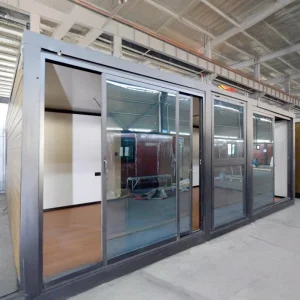 Wholesale 20FT Fast Assembly Flat Roof Foldable Expandable Container House with Glass Curtain Wall for Glamping Resort Supplier, FactoryView Product Details
 -
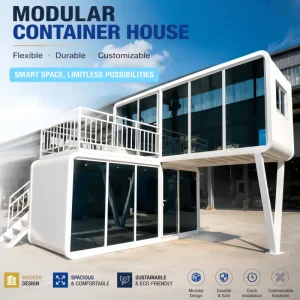 High-Quality 20FT Prefab House Double Deck White Apple Cabin for New Trend Modular Tourism Accommodation Manufacturer, FactoriesView Product Details
 -
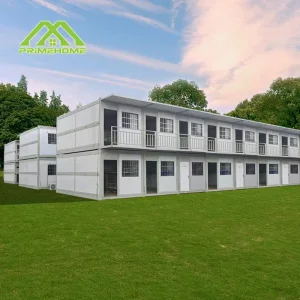 Custom Foldable micro mobile hotel Temporary container dorms Checkpoint Steel frame cabins with bathrooms Manufacturer, FactoriesView Product Details
 -
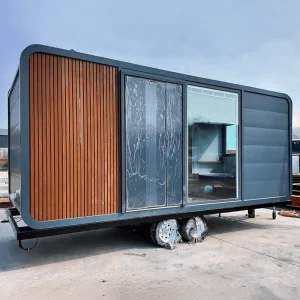 Wholesale Hot Selling 20ft 40ft Removable Apple Capsule Cabin with Detachable Mobile Trailer EU Approved Garden Prefab Home for Villas Resorts Manufacturers, FactoryView Product Details
 -
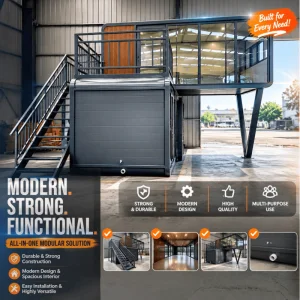 High-Quality Container Homestay Apple Capsule Sunroom Office Internet-famous Space Capsule Mobile Hotel and Pop-up Shop for Outdoor Scenic Spots Manufacturer, FactoriesView Product Details
 -
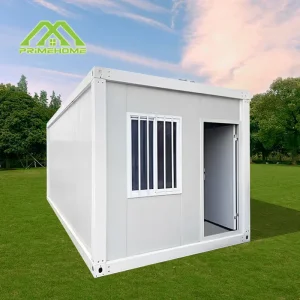 Wholesale Custom-made portable flat pack mini-house with metal frame composed of one room and one bathroom available for immediate delivery ready to assemble and use upon arrival Supplier, FactoryView Product Details
 -
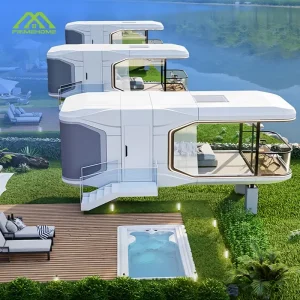 Custom Modern and fashionable Luxury design Camping cabins Prefabricated capsule rooms Beautiful and practical Manufacturer, FactoriesView Product Details
 -
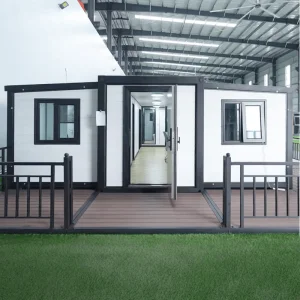 High-Quality Luxury 40FT Double Wing Expandable Container Villa Glamping Resort House Custom Modular Prefab House Supplier, SuppliersView Product Details
The Paradigm Shift in B2B Tiny Storage & Container Housing Procurement
Structural Modularity & Speed
Modern tiny storage container homes leverage ISO-standard structural framing combined with lightweight gauge steel (LGS) infills, cutting total project delivery timelines by 70% compared to traditional on-site masonry builds.
ESG & Carbon Footprint Reduction
Industrial off-site prefabrication reduces job-site material waste by up to 90%. Recyclable Q235B steel frames and eco-friendly thermal insulation cores line up directly with corporate ESG sustainability mandates.
Smart IoT System Integration
Factory-installed electrical wiring (CE/UL/ULC compliant) allows seamless integration of HVAC, smart door access locks, energy monitors, and off-grid solar-battery storage arrays prior to container shipment.
The Chinese Manufacturing & Supply Chain Advantage
Industrial Agglomeration & Steel Economies of Scale
China's steel fabrication hubs provide immediate access to structural steel sections, high-density sandwich panel production lines, and tempered glazing factories under one ecosystem. This industrial cluster density reduces raw material procurement costs by 30-45%, enabling suppliers to offer competitive wholesale FOB/CIF pricing without compromising structural integrity.
Robotic Welding & High-Precision Assembly Lines
Leading Chinese modular container factories employ multi-axis robotic welding cells, automated powder-coating lines, and CNC laser cutting tools. This guarantees strict dimensional tolerances (within ±1.5mm per container frame unit), ensuring multi-layer stackability (up to 3 stories high) and airtight weatherproofing across high-volume production orders.
Full In-House Customization (ODM/OEM Flexibility)
From minimalist single-occupancy sleeping pods to luxury double-wing expandable villas and futuristic internet-famous Apple Cabins, Chinese suppliers manage complete end-to-end customization. Floor plans, MEP (Mechanical, Electrical, Plumbing) routing, wall panel options (PU, EPS, Rockwool), and interior finishes are tailored to exact project blueprints.
Logistics Optimization & Containerized Shipping Efficiency
Chinese suppliers have perfected shipping logistics engineering. Flat-pack modular units ship 4-to-1 inside standard 40ft HQ ocean containers, while expandable and capsule models are designed to maximize internal container cubic capacity, minimizing global ocean freight expenditure per square meter of usable living space.
Localized Compliance, Engineering Standards & Regional Adaptation
| Target Region | Key Regulatory Standards | Structural & Thermal Requirements | Factory Adaptations & Compliance Solutions |
|---|---|---|---|
| North America (USA/Canada) | IBC, IRC, Title 24, UL 94, CSA A277 | Wind loading up to 140 mph (Category 4 typhoon resilience), Snow loading up to 2.5 kN/m² | Pre-installed NEMA standard junction boxes, UL-listed wiring, US-standard plumbing traps, and thick PIR/Spray Foam insulation for zone-specific R-values. |
| European Union (EU/UK) | CE Marking, EN 1090-1, Eurocode 3, BS EN 13501-1 (Fire Class A1) | Strict energy efficiency guidelines (Low U-values < 0.20 W/m²K), structural steel EN10025 compliance | Non-combustible Rockwool core wall panels, double/triple-glazed Argon-filled low-E glass walls, CE-certified distribution boards and VDE wiring. |
| Australia & New Zealand | AS/NZS 1170 (Structural design), AS 3000 (Electrical), BAL-29 / BAL-40 Bushfire ratings | High solar UV index resistance, termite resistance, severe cyclonic wind zone capabilities (Region C/D) | Hot-dip galvanized steel frames (>275g/m² zinc coating), termite-proof magnesium oxide (MgO) floor boards, anti-corrosive marine paint finishes. |
| Middle East & Tropical Regions | GCC Building Codes, ASTM Corrosion Standards | Extremely high ambient thermal stress (+50°C), sandstorm abrasion resistance, high coastal humidity | Thermal break aluminium window profiles, heavy-duty split HVAC ducting prep, polyurethane sandwich panels, C5-M anti-corrosion coating protocols. |
Turnkey Engineering Documentation
To streamline local municipal permitting, reliable Chinese factories provide comprehensive B2B engineering packets: Structural Calculation Sheets, Wind/Seismic Analysis reports, Architectural CAD Floor Plans, and 3D Assembly Step Guides.
Pre-Factory Plug-and-Play Assembly Test
Every modular unit undergoes complete electrical circuit isolation testing, pressure water leak detection for prefabricated bathrooms, and dynamic structural unfolding trials prior to container packing and ocean transport.
Localized B2B Deployment & Application Scenarios
Eco-Tourism & Glamping Resorts
Space Capsules and Apple Cabins feature panoramic floor-to-ceiling glass walls, creating viral visual appeal for outdoor luxury resorts, national parks, and eco-lodges with zero permanent foundation footprint required.
Mining & Construction Camps
Flat-pack and foldable container houses offer rapid-assembly worker dormitories, security checkpoints, and site administrative offices. Hundreds of units can be set up in remote desert or mountain regions within days.
Pop-Up Commercial & Retail
Movable glass-paneled containers serve as mobile coffee shops, internet-famous boutique pop-ups, modern exhibition booths, and temporary urban sales centers with high secondary market resale value.
Disaster Relief & Emergency Medical
X-folding and Z-folding container shelter units can be opened in under 15 minutes per module, making them critical assets for humanitarian aid, mobile field hospitals, quarantine clinics, and post-disaster housing.
Backyard ADUs & Residential Infill
Double-wing expandable container villas provide urban home buyers with fast, cost-effective Accessory Dwelling Units (ADUs), rental mother-in-law suites, or backyard work-from-home offices.
Public Sanitary Infrastructure
Modular prefabricated container toilet and shower units provide hygienic, easily plumbed public restrooms for city parks, outdoor concert venues, highway service stations, and sports grounds.
B2B Technical Procurement Checklist for Container Home Importers
1. Structural Frame Geometry & Steel Grade
Verify that the structural columns and perimeter beams utilize minimum 2.3mm to 3.0mm hot-dip galvanized cold-formed steel profiles. Ensure corner castings adhere to ISO 1161 dimensions for standard crane lifting and twist-lock stacking stability.
2. Wall Panel Insulation Core Selection
Select wall panels based on site micro-climates: EPS (Expanded Polystyrene) for economic temperate zones; High-Density Rockwool for strict fire protection codes; Polyurethane (PU / PIR) for high thermal preservation in extreme hot or sub-zero regions.
3. Flooring Substrate & Waterproofing Integrity
Reject standard plywood floors for wet areas. Mandate fiber-cement boards (18mm+) topped with heavy-duty commercial PVC floor rolls or ceramic tile overlays, combined with pre-sloped aluminum or fiberglass shower basins in bathroom modules.
4. Ocean Freight Packaging Density Analysis
Compare shipping costs between completely flat-packed knock-down (CKD) configurations versus pre-assembled units. Work with the factory logisticians to calculate total container payload limits and optimize bulk freight container utilization.
Frequently Asked Questions (B2B Buyer Intent & Technical FAQ)
Featured Modular Engineering Units (Catalog Batch B)
-
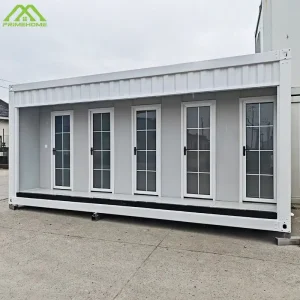 Wholesale Customized high-quality portable container toilets Prefabricated bathroom shower containers Supplier, FactoryView Product Details
 -
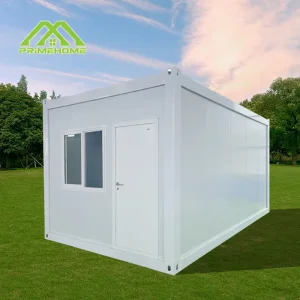 Wholesale Modern foldable homes Newly designed second generation Affordable prefabricated houses High quality X-folding modular home design Supplier, FactoriesView Product Details
 -
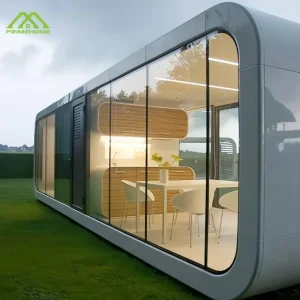 Custom Custom-designed apple pod Vacation rentals: creating high-end and comfortable travel experiences Movable, modular and trendy apple cabins for accommodations Manufacturers, SupplierView Product Details
 -
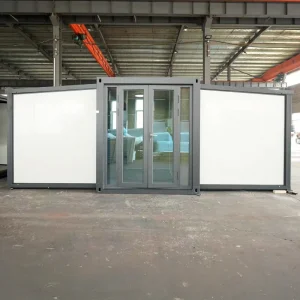 Custom 20FT Prefab Modular Building Expandable Container House for Custom Minimalist Single Apartment Factory, FactoriesView Product Details
 -
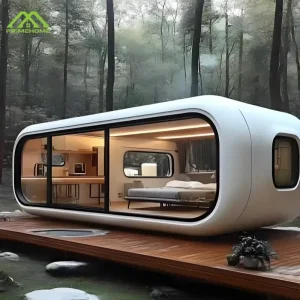 Wholesale Popular online influencer Customized apple capsule house Movable luxury and stylish prefabricated apple cabin Manufacturer, FactoryView Product Details
 -
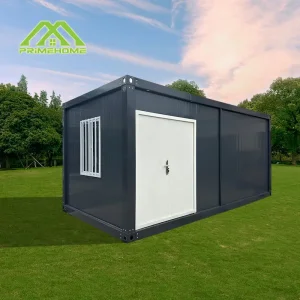 Custom Modern and stylish prefabricated flat pack container houses Compact glass-paneled container homes Easy-to-assemble small-sized suitable for outdoor use Cost-effective Supplier, FactoryView Product Details
 -
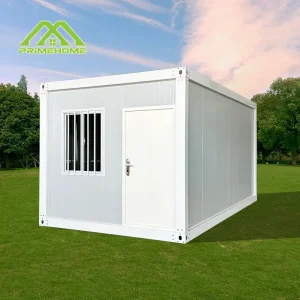 Custom A star product in China's temporary construction industry Luxury prefabricated flat pack container houses Supplier, FactoriesView Product Details
 -
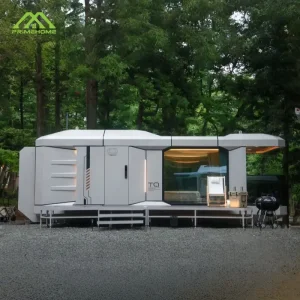 China Modular prefabricated housing Customized mobile capsule rooms Futuristic technological feel Made in China Suppliers, FactoryView Product Details