
Seoul Preferred Modular Apple Cabins
Top-rated factory-direct architectural capsules pre-engineered for rapid deployment across Seoul, Gyeonggi-do, and Incheon projects.
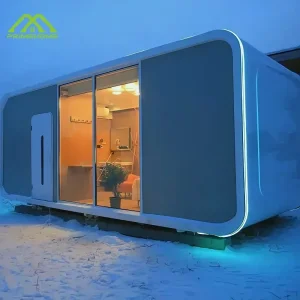
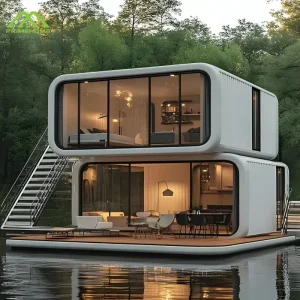
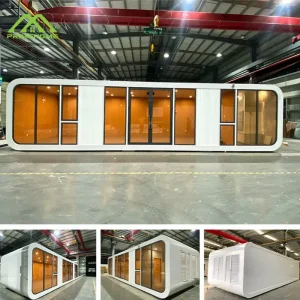
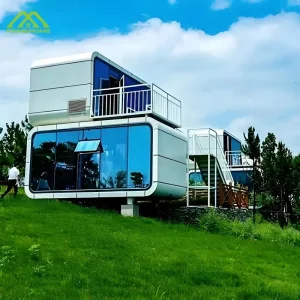
Seoul Metropolitan Modular Architecture: Economic Drivers & Urban Intent
The Seoul Metropolitan Area (SMA), housing over 25 million residents, presents a unique confluence of extreme real estate valuation, high population density, and hyper-strict urban planning constraints. As commercial land costs in tier-1 hubs like Gangnam, Seongsu-dong, and Hongdae reach unprecedented peaks, real estate developers, hospitality operators, and municipal planners are pivoting toward Off-Site Construction (OSC) solutions. Among these, the **Apple Cabin (curved prefabricated architectural pod)** has emerged as a high-yield, aesthetically commanding solution for rapid commercial activation.
1. The Evolving Commercial Landscape of Greater Seoul
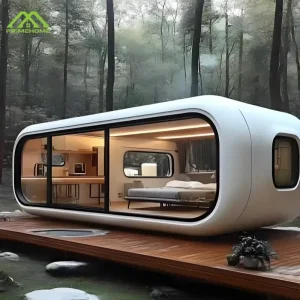
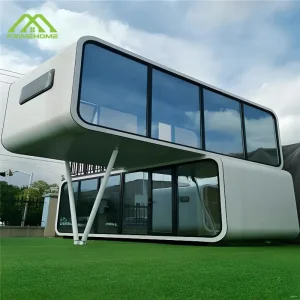
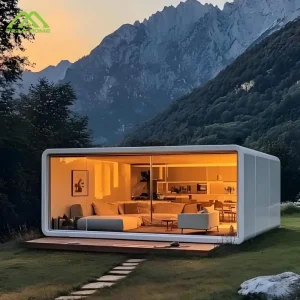
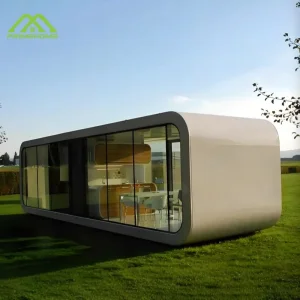
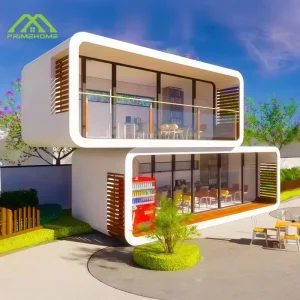
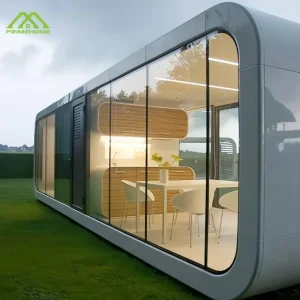
In suburban hotspots surrounding Seoul—such as Gapyeong, Yangpyeong, and Paju—the boom in eco-tourism and "staycation" culture has fueled demand for architectural glamping pods and boutique outdoor stays. Concurrently, urban pop-up commercial hubs in Seongsu-dong utilize Apple Cabins as movable retail flagship pods, specialty coffee shops, and artistic exhibition lounges. The rounded modern aesthetic, featuring streamlined metallic cladding and panoramic floor-to-ceiling glass walls, aligns seamlessly with Korea's digital-first, Instagrammable design economy.
Furthermore, industrial complexes like **Pangyo Techno Valley** and **Magok Smart City** are deploying insulated Apple Cabins as executive outdoor breakout rooms, smart outdoor meeting pods, and high-tech site management hubs that adhere to stringent thermal and structural integrity demands.
Engineered for Extreme Korean Climates
Rigid laboratory testing ensures our Apple Cabins endure Seoul’s harsh sub-zero winter temperatures (-15°C) and humid summer monsoon seasons.
China Industry 4.0 Manufacturing: The Suzhou PrimeHome Advantage
Suzhou PrimeHome Technology Co., Ltd. operates a state-of-the-art 28,000 m² smart manufacturing base in Jiangsu, China, specializing in structural steel modular housing, Apple Cabins, and space capsules. By pairing advanced robotic welding, laser-guided panel fitting, and automated fluorocarbon spray-coating lines with direct maritime routes to South Korea (Incheon / Busan Port), we bridge the gap between heavy industrial precision and rapid commercial delivery.
Aviation-Grade Aluminum Shell
Constructed with high-strength fluorocarbon-coated aluminum outer panels that offer 30+ years of rustproof resistance against sea-breeze corrosion and heavy urban pollution.
Triple-Glazed Low-E Glass
Integrated double-vacuum argon-filled tempered Low-E glass walls offer panoramic views while keeping solar heat gain low during summer and preventing indoor heat loss in cold Seoul winters.
Integrated Smart Home Ecosystem
Factory pre-installed with Korean-standard electrical sockets (220V/60Hz), smart electric curtains, IoT climate controllers, and customizable floor heating system (Ondol-compatible).
Technical Specifications Matrix for Seoul Importers
To ensure full compliance with the **Korean Building Code (KBC)** and local fire safety regulations, every Apple Cabin produced at our factory undergoes rigorous quality control checks before export.
| Engineering Component | Standard Specification | Seoul / Korean Market Adaptation |
|---|---|---|
| Main Structural Frame | Heavy-duty galvanized steel chassis (Q235B steel) | Anti-seismic reinforcement up to Richter Magnitude 7.0 |
| Insulation System | 100mm Polyurethane (PU) / High-density Rockwool | Fireproof Class A1, conforming to South Korea Safety Code |
| Exterior Cladding | Double-curved integrated metal fluorocarbon shell | Weather-resistant coating against Seoul's fine dust & humidity |
| Electrical System | Hidden conduit wiring, smart control panel | KC-Certified components, 220V / 60Hz 2-pin Type F outlets |
| Plumbing & Sanitary | PEX anti-freezing piping, smart toilet, glass shower | Internal thermal tracing cables to prevent winter freeze-ups |
| Freight Shipping | 40HQ Flat Rack / Dedicated modular sea container | Direct 48-72h transit from Shanghai/Ningbo to Incheon Port |
Where Apple Cabins excel in South Korea
From urban commercial flagships to high-yield mountain resorts, our modular Apple Cabins adapt to South Korea's versatile business ecosystem.
1. Seongsu-dong & Urban Pop-Up Retail
Brands in Seoul's fashion and youth culture districts deploy Apple Cabins as flexible pop-up stores, coffee bars, and interactive showroom hubs that can be quickly dismantled or relocated without violating strict land-lease terms.
2. Gyeonggi-do & Gapyeong Eco-Resorts
Resort owners around Gapyeong and Nami Island utilize 20ft and 40ft Apple Cabins as turn-key glamping suites. The panoramic curving glass windows maximize scenic views of mountains and lakes while commanding premium daily rental rates ($250-$450/night).
3. Pangyo Techno Valley Executive Pods
Technology firms use soundproof, climate-controlled Apple Cabins on campus rooftops and courtyards as acoustic executive conference rooms, private focus pods, and employee relaxation lounges.
4. Jeju Island Luxury Tourism Capsules
Designed with sea-salt air resistant coatings, our Apple Cabins are widely installed across Jeju Island’s coastal boutique resorts, offering typhoon-rated structural resistance up to Category 12 wind speeds.
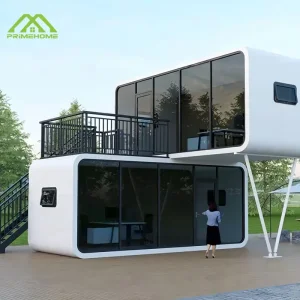
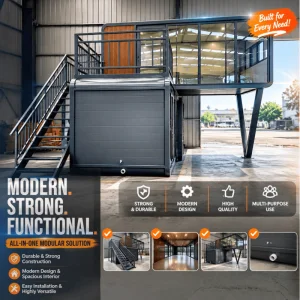
Explore Our Full Range of Modular Apple Pods
Direct factory supply with full OEM/ODM customization available for wholesale buyers, hospitality groups, and site developers in South Korea.
Frequently Asked Questions for Seoul Importers
Detailed answers regarding logistics, South Korean building compliance, thermal performance, and installation support.
Ready to Deploy Apple Cabins for Your Seoul Project?
Partner with Suzhou PrimeHome Technology Co., Ltd. for factory-direct pricing, custom engineering drawings, and reliable sea freight to Incheon Port. Contact our export engineering team today.
Send Inquiry Now