
High-Performance Container Restroom Units for Immediate India Dispatch
Pre-engineered, climate-resilient sanitary pods designed to meet strict Indian CPHEEO environmental compliance and high-density throughput demands.
Macro-Economic Dynamics & Sanitation Infrastructure in India
An authoritative technical evaluation of India's evolving sanitation demands driven by national urban missions, highway expansions, and mega industrial corridors.
The Indian Industrial Sanitation Shift
India is undergoing the fastest structural transformation in its urban and industrial history. Under the nationwide momentum of the Swachh Bharat Abhiyan (Urban 2.0), the National Smart Cities Mission, and massive infrastructure investments led by the National Highways Authority of India (NHAI), traditional brick-and-mortar public facilities are no longer viable. They are slow to construct, environmentally invasive, difficult to maintain, and vulnerable to structural degradation under extreme weather.
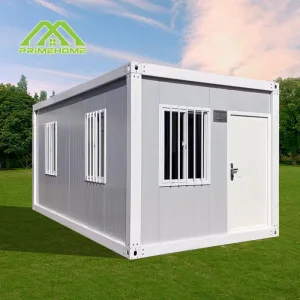
Industrial developers, municipal corporations (such as BMC, BBMP, and MCD), and Tier-1 EPC contractors (L&T, Tata Projects, Shapoorji Pallonji) are rapidly shifting toward factory-fabricated modular container toilets. These units offer plug-and-play operational readiness, zero civil waste, long service life, and complete mobility when construction sites shift or temporary public events conclude.
Climatic & Demographic Demand Drivers
Deploying public and industrial sanitation in India requires addressing extreme environmental variables: high humidity coastal zones (Mumbai, Chennai, Vizag), severe ambient thermal heat exceeding 48°C (Rajasthan, Gujarat, Delhi-NCR), and torrential monsoons across the Western Ghats and North-Eastern belts.
Furthermore, high user density in Indian transit hubs and worker accommodation colonies demands robust structural frames, vandal-proof fixtures, continuous automated ventilation, and integrated bio-digester technology where municipal sewer trunk lines are unavailable.
Information Gain Insight: Unlike standard portable plastic porta-potties which suffer from solar UV degradation, structural instability, and unpleasant heat buildup, hot-dip galvanized Corten steel container toilets engineered for the Indian subcontinent maintain internal thermal comfort via PIR/EPS insulation, withstand high wind speeds up to 180 km/h, and offer complete bio-sanitation autonomy.
High-Spec Material Architecture for Indian Operational Conditions
Built using heavy-gauge structural steel and hydrophobic interior finishes to deliver structural resilience, hygenic safety, and long lifecycle return on investment.
Corrosion-Resistant Steel Frame
Engineered using high-strength IS 2062 / Q235 structural steel cold-formed profiles, hot-dip galvanized with a 275g/m² zinc coating. Exterior shell finished with epoxy primer and fluorocarbon polyurethane topcoats resistant to salt spray, industrial chemical exposure, and UV breakdown.
Thermal Envelope & Insulation
High-density (40kg/m³) Polyisocyanurate (PIR) or Rockwool core sandwich panel wall/roof encapsulation. Achieves a superior U-value insulation coefficient, keeping interior ambient temperatures up to 12°C cooler than external Indian summer temperatures without AC power grid drain.
Hygiene & Water Management
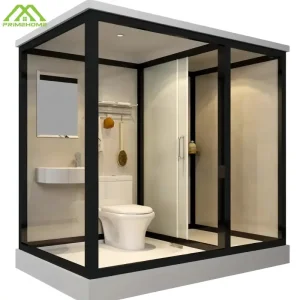
Integrated anti-slip pattern aluminum chequered plate flooring over waterproof marine plywood, sealed with antibacterial seamless epoxy coating. Stainless steel grade 304/316 squatting pans and WC toilets equipped with low-flow dual flush valves saving up to 45% fresh water.
Technical Comparison: Container Toilets vs. Conventional Options
| Performance Metrics | Modular Steel Container Toilets | Plastic HDPE Porta-Potties | Conventional Civil Masonry Toilets |
|---|---|---|---|
| Structural Lifespan | 15 to 25+ Years | 2 to 4 Years (UV Degradation) | 20+ Years (Permanent) |
| Site Setup Duration | Instant (1 - 3 Days) | Instant (Hours) | 3 to 6 Months Civil Work |
| Relocatability | 100% Mobile (Crane / Truck) | Manual / Light Truck | 0% (Permanent Demolition) |
| Monsoon & Wind Resistance | Extreme (Gale Winds & Rain Proof) | Poor (Prone to Overturning) | High |
| Thermal Insulation Comfort | Excellent (Insulated Sandwich Panel) | Extremely Hot in Indian Summer | Moderate |
| Waste Management Autonomy | Bio-Digester / Vacuum / Sewage hookup | Holding Tank Only (Frequent Odors) | Requires Septic Tank / Sewer Link |
Tailored Container Sanitation Scenarios Across India
Custom-engineered containerized restroom units designed specifically for complex operational challenges in urban, industrial, and remote Indian sites.
1. Mega Infrastructure & Metro Line Camps
For high-density labor colonies during multi-year projects like the Mumbai Metro, Delhi-Mumbai Industrial Corridor (DMIC), and bullet train corridors. Heavy-duty multicabin container toilets with integrated shower blocks handle high continuous usage with easy hose-down maintenance.
2. Highway Rest Stop Plazas (NHAI Expansion)
Standardized, secure 20ft and 40ft container toilet complexes deployed along new Expressway stretches (e.g., Samruddhi Mahamarg, Delhi-Dehradun Expressway). Features automated coin-pay access, LED solar lighting, and female hygiene vending rooms.
3. Smart Municipalities & Urban Transit Nodes
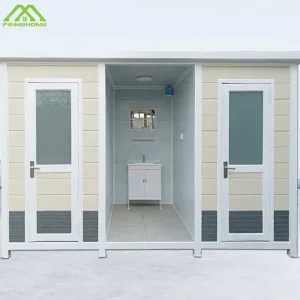
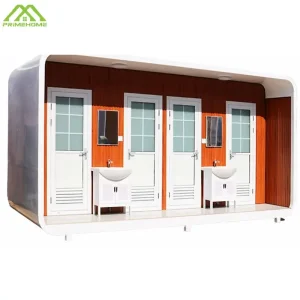
Aesthetic, compact single/double pod units designed for dense metro areas like Bengaluru, Hyderabad, and Kolkata. Features external composite wood louvers, anti-vandal fixtures, smart odor monitoring sensors, and public signage integration.
4. Remote Mining & Energy Infrastructure
Off-grid sanitary container solutions deployed in remote mining belts of Odisha, Jharkhand, and Chhattisgarh. Integrated with solar PV panels, overhead water storage tanks, and multi-stage anaerobic bacterial bio-digester tanks for complete self-reliance.
5. Pilgrimage & Mass Cultural Gatherings
Rapidly deployable container toilet blocks deployed during large-scale national events like the Kumbh Mela, Jagannath Rath Yatra, or eco-tourism pop-ups in Ladakh and Goa. Units can be trucked in, plugged into power, and relocated after events.
6. Eco-Resorts & Coastal Tourism Hubs
Luxury modular restroom cabins customized with Japanese-style minimal aesthetics or wooden facade cladding for eco-tourism retreats in Kerala backwaters, Andaman Islands, and Himalayan glamping retreats.
Integrated Bio-Digester & Smart IoT Sanitation Architecture
Solving the off-grid challenge in Indian non-sewered regions with advanced biological waste conversion and intelligent monitoring systems.
DRDO-Approved Anaerobic Bio-Digester Systems
For installations lacking city sewage trunk connectivity, our container toilets integrate customized multi-chamber anaerobic bio-digester tanks. Utilizing psychrophilic and mesophilic bacterial consortia, human waste is converted on-site into odorless, pathogen-free water suitable for landscape irrigation, alongside eco-friendly methane gas discharge.
- Zero vacuum pump truck evacuation cost
- No offensive sewer gas build-up in high temperatures
- Fully compliant with Central Pollution Control Board (CPCB) norms
IoT Smart Facility Management
Equipped with optional smart IoT telemetry designed for Indian smart city operational command centers. Centralized sensors continuously track key facility telemetry to maximize uptime and maintain high sanitation compliance across dispersed mobile units.
- Freshwater level and waste-tank capacity monitoring
- Automated odor-level detection (H2S / Ammonia threshold alerts)
- Footfall counter for scheduling automated cleaning cycles
- Solar PV power generation & battery health metrics
Decade Vision (2025–2035): Next-Gen Sanitation Engineering
How our R&D roadmap anticipates the next generation of circular-economy public hygiene infrastructure in India and global emerging markets.
Ultra-Low Flow Vacuum Systems
Integration of micro-flush vacuum technology reducing water consumption from 6 liters down to 0.5 liters per flush, critical for water-scarce Indian regions like Rajasthan and Chennai.
Solar-Thermal Water Recycling
100% off-grid self-contained units featuring roof-integrated solar thermal evaporators to distill greywater back into non-potable flushing water, achieving 90% water closed-loop recycling.
AI Predictive Sanitation Operations
Machine-learning integration analyzing footfall patterns and climatic humidity to autonomously trigger self-disinfecting UV-C light sanitization cycles between user entries.
Graphene Composite Modular Shells
Transition toward ultra-lightweight graphene-infused composite sandwich panels offering double the thermal performance with 40% structural weight reduction for rapid air-lift emergency response.
Procurement & Technical FAQ for Indian Business Partners
Direct expert responses to common engineering, freight logistics, customization, and regulatory questions from Indian B2B buyers and government authorities.
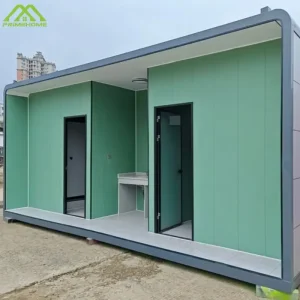
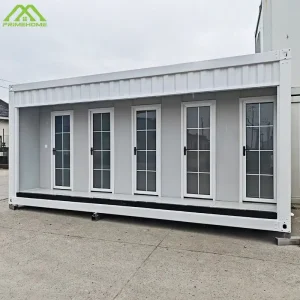
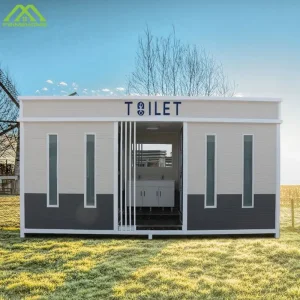
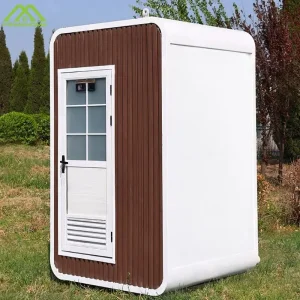
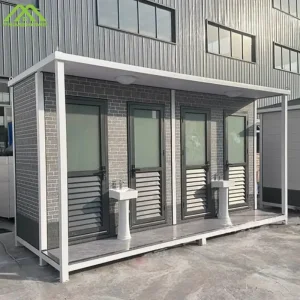
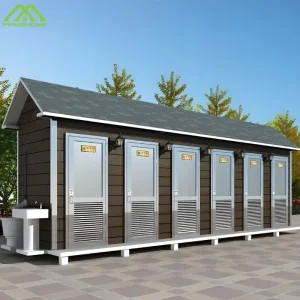
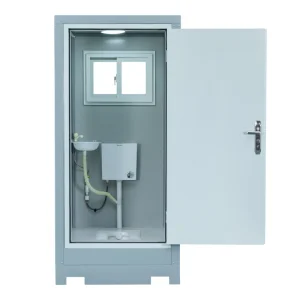
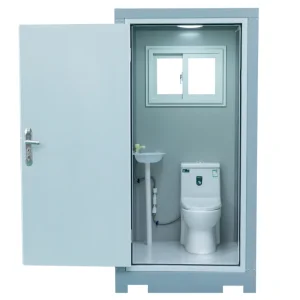
Explore Our Full Range of Export-Grade Container Toilets & Restroom Cabins
Select from our complete range of specialized sanitary modules manufactured to ISO 9001 factory standards for global distribution.
Deploy Industrial Container Toilets for Your India Project Today
Partner with a trusted source factory offering full structural customization, rapid manufacturing throughput, and direct freight management to major Indian ports.