
Industrialized Space Capsules: Transforming Nigerian Real Estate
As Nigeria experiences unprecedented urban growth alongside an expanding appetite for luxury eco-tourism and modular commercial real estate, traditional concrete construction faces mounting bottlenecks—including inflated material costs, prolonged build schedules, and severe site disruption. Factory-manufactured Space Capsules represent a paradigm shift: fully integrated, microclimate-adapted, plug-and-play architectural modules engineered for rapid deployment across Lagos, Abuja, Port Harcourt, and emerging resort corridors.
Rapid 90% Offsite Prefabrication
Eliminate weather delays and local construction risks in Nigeria. Modules arrive 90% pre-built with integrated electrical, plumbing, and HVAC systems ready for immediate assembly.
Tropicalized Corrosion Resistance
Engineered specifically for coastal humidity and saline air (Lekki, Victoria Island, Badagry) with hot-dip galvanized steel frames and aviation-grade fluorocarbon aluminum cladding.
Off-Grid Hybrid Power Synergy
Designed to integrate seamlessly with lithium-battery solar PV setups and silent diesel generators, assuring 24/7 autonomous operational stability despite local grid instability.
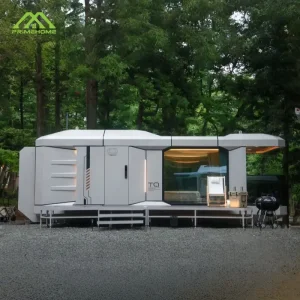
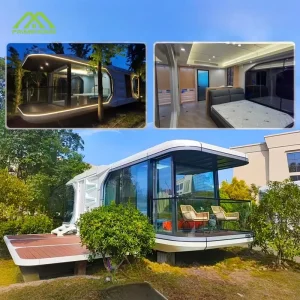
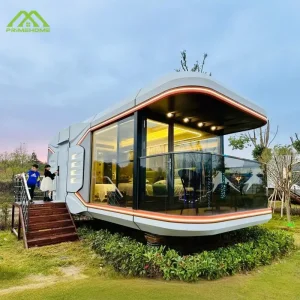
Featured Space Capsule Models for Nigerian Deployment
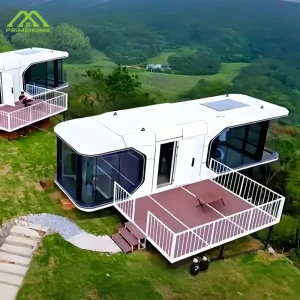
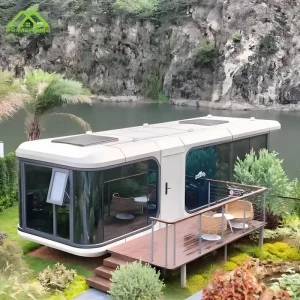
Select a flagship capsule configuration optimized for resort, residential, and commercial applications.
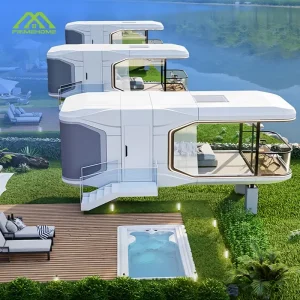
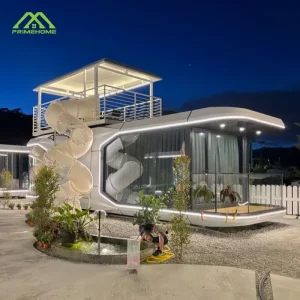
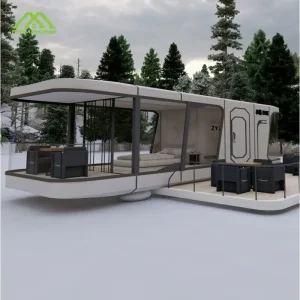
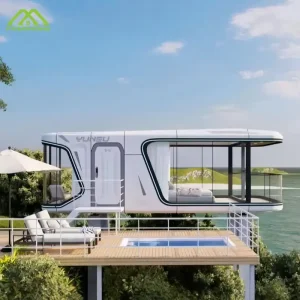
Macro Industrial Reality: Real Estate Challenges & Modular Solutions in Nigeria
Nigeria’s macroeconomic landscape presents a unique duality: incredible demand for commercial and residential space matched against severe supply-side bottlenecks.
Developers in major commercial epicenters such as Lagos (Ikeja, Lekki, Epe), the Federal Capital Territory (Abuja), and oil-producing hubs like Port Harcourt confront systemic challenges: variable raw material pricing (cement, rebar), land titling complexity, slow foundation curing cycles in high water-table zones, and unreliable utility infrastructure.
Addressing the Capital & Yield Bottleneck
Conventional hotel or residential developments in Nigeria carry typical gestation periods of 18 to 36 months, tying up vast capital amid inflation and currency fluctuations. Space Capsules compress this timeline to under 60 days from factory shipment to revenue generation, dramatically improving Internal Rate of Return (IRR) for hospitality operators and real estate investors.
Solving Land Tenure & Permitting Mobility
Securing permanent Certificate of Occupancy (C of O) documentation can take months or years. Because space capsules are classified as non-permanent modular relocatable structures, land lease partners and developers can monetize temporary or transitional land holdings without undergoing irreversible site alteration.
Economic ROI Impact Matrix: Traditional Masonry vs. Space Capsule Deployment in Nigeria
Comparative financial and operational data gathered across sub-Saharan modular projects highlights how precision factory engineering directly mitigates local site overheads:
| Key Development Metric | Traditional Concrete Masonry (Nigeria) | PrimeHome Space Capsule Module | Investor Advantage |
|---|---|---|---|
| Project Time-to-Market | 18 - 24 Months | 45 - 60 Days (Total) | 75% Faster Capital Monetization |
| Material Loss & Site Waste | 15% - 25% On-site Waste | < 2% Factory Precision Waste | Direct Overhead Reduction |
| Foundation Requirements | Heavy Reinforced Concrete Piling | Lightweight Strip / Concrete Pad Points | 60% Reduction in Civil Works Cost |
| Thermal Insulation Efficiency | Poor (High AC Power Demand) | Polyurethane R-25 Insulation Envelope | 40% Lower Monthly Power Bills |
| Asset Mobility / Liquidity | Fixed (Zero Relocation Value) | 100% Relocatable via Standard Crane | Preserved Capital Asset Equity |
Tropicalized Structural Engineering: Built for Nigeria’s Climate
Deploying high-tech prefabricated housing in West Africa requires rigorous engineering adaptations to counter high relative humidity, extreme ultraviolet exposure, heavy rainfall during monsoon seasons, and coastal atmospheric salinity.
1. Advanced Metallurgical & Envelope Engineering
Standard steel structures suffer rapid oxidation in West Africa's coastal zones (e.g., Lekki Peninsula, Victoria Island, Calabar). Our Space Capsules utilize a dual-barrier protective shell:
- Galvanized Steel Sub-Frame: Heavy-gauge structural steel treated with hot-dip zinc coating delivering 25+ years of rust prevention under C5-M marine environment standards.
- Fluorocarbon-Coated Aluminum Panels: Exterior cladding features multi-layer PVDF coating designed to reflect intense solar radiation and withstand severe rainstorms without fading or chalking.
- Tempered Panoramic Low-E Glazing: Double-pane, argon-filled glass walls engineered to block 85% of infrared thermal radiation while maintaining full optical transparency for surrounding landscapes.
2. HVAC & Microclimate Moisture Control
Thermal discomfort and mold growth are frequent issues in tropical prefab housing. Our engineered thermal break system guarantees internal climate comfort:
- High-Density Polyurethane Core: Flame-retardant PU injection insulation (50mm–80mm) forming a continuous thermal barrier around the entire cabin envelope.
- Integrated Dehumidification HVAC: High-efficiency inverter climate control units specifically tuned for high-ambient tropical operation (up to 48°C peak external temperature).
- Waterproofing & Drainage Matrix: Concealed internal guttering system engineered to discharge heavy monsoon rains (over 2,500mm annual precipitation) cleanly away from the foundation.
24/7 Autonomous Off-Grid Electrical Infrastructure Strategy
Recognizing the operational reality of public grid reliance (PHCN/DisCos) in Nigeria, every Space Capsule exported by PrimeHome is engineered for hybrid plug-and-play energy integration:
Pre-wired DC channels configured for easy mounting of 3.5kW – 6.5kW high-efficiency monocrystalline solar panels.
Dedicated internal battery rack housing for 10kWh to 20kWh LiFePO4 battery banks providing overnight air conditioning power.
Seamless, millisecond switching between Solar PV, Grid Power, and Backup Generator without interrupting internal smart electronics.
Strategic Application Scenarios Across Nigeria
From high-yield eco-resorts to private luxury estate expansions, space capsules adapt effortlessly to diverse commercial models.
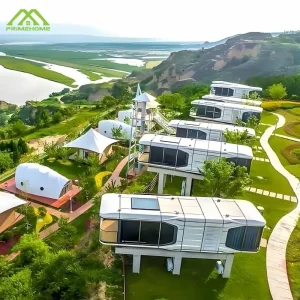
1. Luxury Eco-Resorts & Glamping Destinations
Locations like Obudu Mountain Resort (Cross River), Yankari Game Reserve (Bauchi), La Campagne Tropicana (Lagos), and Tarkwa Bay are ideal for high-ticket glamping hospitality. Space capsules offer panoramic nature views with 5-star hotel luxury, creating highly Instagrammable destinations that command premium night rates (N150,000 - N350,000+ per night).
2. Residential Villa Extensions & Guest Chalets
Homeowners in high-brow residential zones such as Maitama & Asokoro (Abuja), Ikoyi & Banana Island (Lagos), and GRA (Port Harcourt) use space capsules as instant, zero-construction-mess guest houses, private home offices, luxury garden lounges, or rental income suites.
3. Remote Executive Camp Accommodation
For mining operations, agricultural hubs in the Middle Belt, and oilfield service companies around the Niger Delta, providing durable, comfortable housing for senior engineers is crucial. Space capsules provide rapid, climate-controlled executive living units that can be relocated upon project completion.
4. Commercial Pop-Up Lounges & Tech Hubs
Fast-growing urban retail centers in Ikeja, Victoria Island, and Enugu leverage space capsules for futuristic coffee shops, brand activation booths, VIP lounges, or mobile tech innovation hubs—allowing rapid site installation with striking aesthetic presence.
Global Manufacturing Standards vs. Local Site Realities
PrimeHome's 28,000m² robotic prefabrication facility in Suzhou, China combines European structural compliance with high-volume industrial output. Understanding how industrialized prefabrication supersedes on-site building is critical for project directors.
Detailed Technical Specifications Matrix
| Component Specification | PrimeHome Space Capsule Engineering standard | Benefit for Nigerian Operators |
|---|---|---|
| Primary Steel Frame | Q235/Q355 Galvanized Structural Steel, Robotic Welded | Resists seismic tremors, high wind loads, and ground settling |
| Exterior Shell Panels | Fluorocarbon (PVDF) Coated Aluminum Alloy Sheet (2.0mm) | Zero rust, UV color fastness for 15+ years in harsh sun |
| Glazing Architecture | 6mm + 12A + 6mm Hollow Double Low-E Tempered Glass | Superior sound dampening and heat radiation rejection |
| Internal Smart System | Integrated Smart Voice/App Automation (Lighting, Curtains, HVAC) | Delivers modern high-tech luxury experience for guests |
| Sanitary & Plumbing | Factory Pre-installed Wall-Hung Toilet, Shower, Concealed Piping | Zero local plumbing installation errors; leak-tested prior to export |
| Electrical Standard | 220V/50Hz West African Socket Compatible; Flame-Retardant Cabling | Direct connection to Nigerian electrical standards upon delivery |
End-to-End Delivery, Shipping & Compliance for Nigeria
Importing prefabricated structural modules into Nigeria requires specialized logistics management, custom documentation, and port clearing coordination. PrimeHome delivers a fully transparent supply chain pipeline.
1. Containerized Modular Shipping
Space Capsule models are designed to fit securely into standard 40ft High Cube (40HC) container frames or flat-rack shipping containers, enabling efficient ocean transport directly from Shanghai/Ningbo ports to Lagos (Apapa & Tincan Ports) or Port Harcourt (Onne Port).
2. SONCAP & Customs Compliance
All PrimeHome modules exported to Nigeria are manufactured in compliance with the Standards Organisation of Nigeria Conformity Assessment Programme (SONCAP), ensuring seamless issuance of Product Certificates and SONCAP Certificates for Form M clearance.
3. Simple Site Unloading & Hookup
Upon site arrival, units are lifted onto simple concrete piers or flat pads via standard mobile crane. Once placed, plug-and-play hookups connect external power, fresh water intake, and waste drainage within hours.
Technology Roadmap: The Future of Autonomous Living in Africa
As smart cities evolve across West Africa, PrimeHome is committing R&D resources toward fully self-sustaining, AI-managed residential space modules.
Next-Gen AI Energy Optimization
Future iterations will incorporate predictive AI algorithms that monitor local weather forecasts and solar irradiance in Nigeria, automatically managing battery discharge profiles and HVAC cycles to eliminate unneeded power draw during overcast periods.
Atmospheric Water Generation (AWG) Integration
To eliminate reliance on local water trucks or borehole drilling in remote eco-resort locations, upcoming custom modules offer optional integrated AWG systems capable of harvesting up to 100 liters of pure drinking water daily directly from humid tropical air.
Frequently Asked Questions (FAQ)
Direct engineering and commercial answers for developers importing Space Capsules to Nigeria.
Explore Our Full Space Capsule Portfolio Engineered for Nigeria
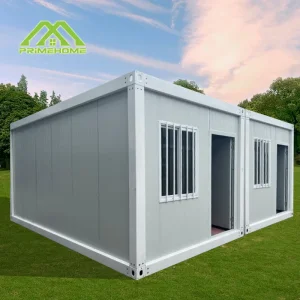
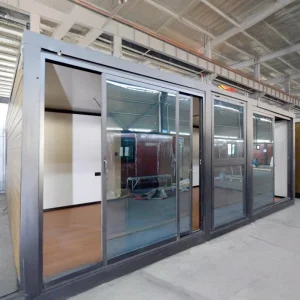
Browse additional modular housing, capsule rooms, and flat-pack container systems designed for African export.
Ready to Accelerate Your Nigerian Modular Development Project?
Connect directly with PrimeHome's senior engineering and export team. Get tailored architectural drawings, landed freight quotes for Lagos/Port Harcourt ports, and technical specifications within 24 hours.