
Seattle Regional Market Select Units
Pre-engineered heavy-duty modular container restrooms ready for immediate shipment to Puget Sound industrial hubs.
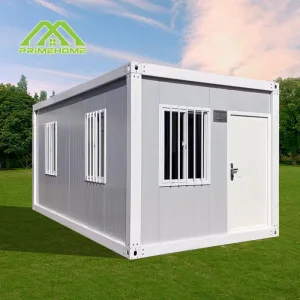
Seattle Commercial Port & Resort Expandable Container Restroom Unit
View Specifications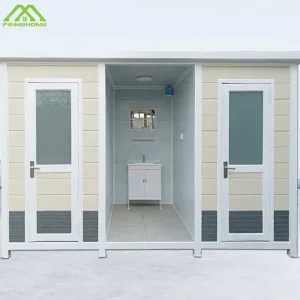
Seattle Metro All-Weather Heavy-Duty Single & Double Container Toilet
View Specifications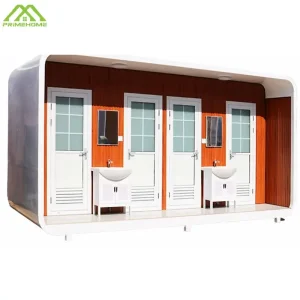
Puget Sound Industrial Site Sandwich Panel Modular Restroom Unit
View Specifications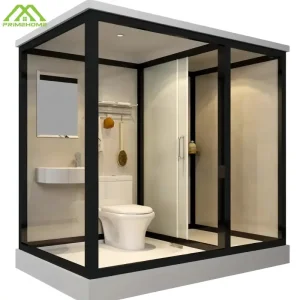
Seattle Eco-Park Japanese Minimalist Modular Container Bathroom
View SpecificationsSeattle Commercial & Industrial Infrastructure Demands
Analyzing the intersection of rapid regional urbanization, strict environmental mandates, and the shift toward heavy-duty modular sanitation solutions.
Executive Analysis: Why Seattle Requires Next-Generation Container Toilets
The Greater Seattle metropolitan area—spanning King, Pierce, and Snohomish counties—is experiencing an unprecedented surge in civil infrastructure expansion, high-tech commercial real estate developments, and maritime port modernizations. From Sound Transit’s Link Light Rail extensions to massive logistics terminals along Puget Sound (such as Terminal 5 at the Port of Seattle and the Port of Tacoma), the demand for rapid-deployment, code-compliant, and weather-resistant temporary and semi-permanent worker facilities has reached a historic high.
However, operating in the Pacific Northwest (PNW) presents distinct microclimate and regulatory challenges. Traditional plastic "porta-potties" no longer satisfy modern workplace safety standards, environmental sustainability mandates, or employee welfare expectations. Seattle’s persistent precipitation (averaging 38+ inches annually), elevated relative humidity, salt spray near marine terminals, and rigorous municipal energy codes demand a structural evolution: Heavy-duty modular steel container toilet units engineered for long-term atmospheric resilience.
Technical Architecture & Material Science Roadmap
Designed for durability, hygiene, and low maintenance across demanding marine and urban environments.
Corrosion Resistance & Frame Mechanics
Fabricated using Q235B high-tensile structural steel frames, hot-dip galvanized with a 120g/m² zinc coating, followed by epoxy primer and polyurethane topcoat. Tested to withstand Puget Sound high-salinity air exposure without surface rusting for over 15 years.
Advanced Thermal Envelope & Moisture Barrier
Equipped with 50mm to 100mm high-density Polyurethane (PU) or Rockwool core sandwich panels. Keeps interior surfaces dry and warm during cold rainy seasons while suppressing condensation formation via integrated cross-flow mechanical ventilation fans.
High-Traffic Sanitation & Plumbing Engineering
Integrated heavy-duty stainless steel fixtures, porcelain low-flush toilets, non-slip aluminum checker plate floors with drainage slopes, wall-mounted Urinals with infrared automatic sensors, and commercial-grade plumbing conforming to US standard pipe sizing.
Smart IoT & Renewable Power Integration
Optional smart monitoring modules for waste holding tank liquid levels, fresh water reserve levels, automatic occupancy lighting, solar panel roof mounting brackets, and battery storage compatibility for off-grid operations in wilderness state parks.
Seattle Regional Application Scenarios
Providing specialized modular sanitation solutions tailored to key industries across King, Pierce, and Snohomish Counties.
1. Harbor Island & Port Terminal Operations
At maritime container yards, ship repair drydocks, and logistics piers around Puget Sound, facilities face constant salt air exposure and intense 24/7 worker utilization. PrimeHome container toilets provide industrial-grade durability, easy crane-lifting via integrated corner fittings, and swift pump-out capability.
2. Mega-Construction & Sound Transit Expansion
Urban high-rise developments in Downtown Seattle, Bellevue, and Redmond demand multi-story or easily relocatable sanitary blocks. Flat-pack and detachable modular toilets allow rapid relocation as building phases advance, keeping worker downtime to a minimum.
3. Municipal Parks, Festivals & Public Spaces
Seattle Parks and Recreation, community markets, and seasonal outdoor festival organizers require aesthetic, hygienic, ADA-accessible restrooms. Our Japanese-style and wooden-clad container toilet models blend harmoniously into natural Northwest forest and urban park settings.
4. Eco-Resorts & Glamping in Mount Rainier Corridor
Eco-tourism operations across the San Juan Islands, Olympic Peninsula, and Mount Rainier corridor require upscale, self-contained modular luxury bathrooms with blackwater containment, greywater separation, and off-grid solar options.
China Manufacturing Scale & Direct Supply Chain Resilience
How Suzhou PrimeHome Technology Co., Ltd. delivers wholesale price advantages and superior quality control to US buyers.
Procuring prefabricated infrastructure directly from Suzhou PrimeHome Technology Co., Ltd. gives Seattle distributors, general contractors, and equipment rental agencies a tremendous competitive edge over purchasing through domestic US brokers. Operating out of a state-of-the-art 28,000 m² manufacturing plant in Suzhou, Jiangsu, China, PrimeHome produces up to 5,000 modular container units per month.
40-50% Total Cost Savings
By eliminating middleman markups and leveraging automated laser cutting, robotic welding, and automated powder coating, PrimeHome provides factory-direct wholesale pricing that drastically reduces project CAPEX.
Seamless Ocean Logistics into Port of Seattle
Suzhou's strategic proximity to Shanghai Port enables streamlined export logistics. Flat-pack units are bundled into standard ISO shipping containers, significantly reducing per-unit trans-Pacific freight rates into the Port of Seattle or Port of Tacoma.
Full Customization & OEM/ODM Capability
Our engineering department creates tailored floor plans, custom interior finishes, electrical layouts adapted to US 110V/220V dual phase standards, and NPT plumbing connections verified prior to production.
Seattle Permitting, SDCI & L&I Compliance Roadmap
Navigating building codes and municipal requirements for prefabricated modular sanitary structures in Washington State.
Deploying temporary or semi-permanent commercial container restrooms within King County and the City of Seattle involves specific regulatory guidelines overseen by the Seattle Department of Construction and Inspections (SDCI) and the Washington State Department of Labor & Industries (L&I) Factory Assembled Structures (FAS) program. PrimeHome works alongside US partners to ensure structural design criteria meet local building codes.
- Structural & Seismic Rating: Pre-engineered to satisfy Cascadia Subduction Zone seismic parameters (ASCE 7-16 standards) and local wind load requirements up to 115 mph.
- Plumbing Code Integration: Fixtures and piping can be integrated to align with the Uniform Plumbing Code (UPC) and International Plumbing Code (IPC), featuring standard US NPT threaded fittings and quick-connect hose connections.
- Electrical Safety (NEMA & UL Standards): All internal wiring, LED lighting fixtures, circuit breakers, and exhaust ventilation fans utilize components meeting UL compliance, pre-configured for standard US electrical panels.
- ADA Accessibility Options: Available configurations include wide-entry ramp compatibility, grab bars, low-height sinks, and spacious turning radiuses to satisfy Americans with Disabilities Act (ADA) public access guidelines.
Wholesale Commercial & Industrial Container Toilets
Explore our full range of modular sanitary units, portable bathrooms, and high-end luxury container restrooms for wholesale ordering.
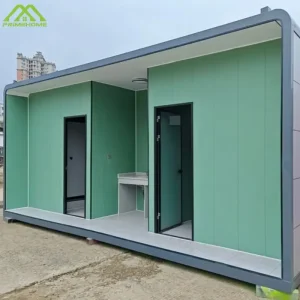
Greater Seattle Municipal Prefabricated Restroom & Sanitary Facility
View Specifications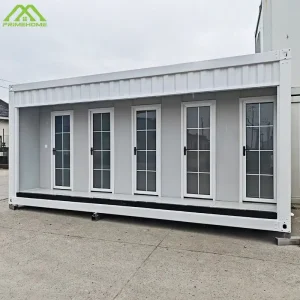
PNW Marine Terminal Commercial Container Restroom & Shower Unit
View Specifications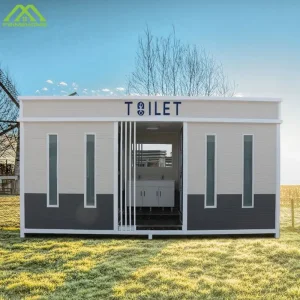
Seattle High-Tech Campus Deluxe Modular Restroom Container
View Specifications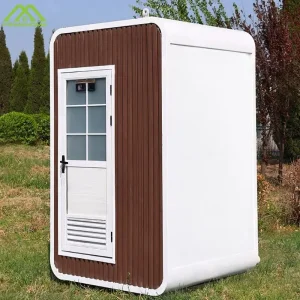
Sound Transit Project Dual-Cabin Modular Public Restroom Unit
View Specifications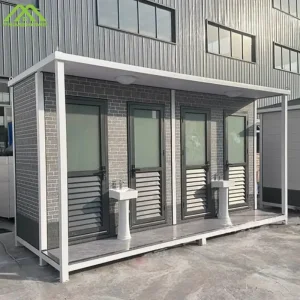
Seattle All-Climate Heavy-Duty Mobile Sanitary Container Module
View Specifications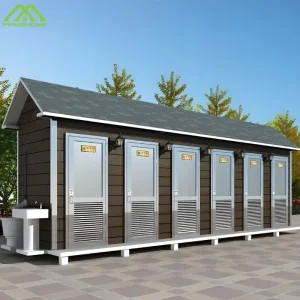
Pacific Northwest Resort Luxury Outdoor WC & Bathroom Unit
View Specifications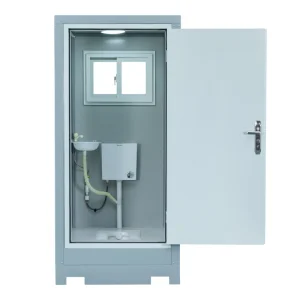
Port of Seattle Industrial Construction Site Mobile Toilet Unit
View Specifications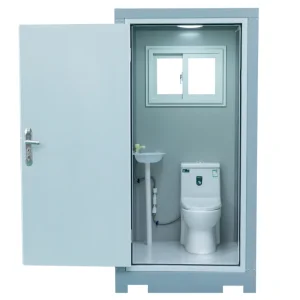
Seattle Parks & Rec Prefabricated Park Restroom & Porta Potty Unit
View SpecificationsSeattle Commercial Procurement Q&A
Expert answers addressing shipping, compliance, climate adaptation, and installation for Pacific Northwest buyers.
How do PrimeHome container toilets perform under Seattle's heavy rain and humidity?
Our container toilets are specifically engineered for high-moisture environments like the Pacific Northwest. We utilize hot-dip galvanized structural steel frames treated with anti-corrosion marine primers. Walls and roofs feature high-density Polyurethane (PU) sandwich panels that provide complete water resistance, zero mold absorption, and superior thermal insulation (preventing interior sweat and condensation). Roof drainage systems include integrated internal gutter channels capable of handling heavy rain downpours up to 4 inches per hour.
What are the lead times and shipping routes from your Suzhou factory to Seattle?
Standard production lead time is 15 to 20 business days depending on order size and custom specifications. Shipping from Shanghai Port to the Port of Seattle or Port of Tacoma typically takes 14 to 18 days on direct ocean freight routes. Total turnaround from order confirmation to arrival at your Seattle job site is usually between 30 and 40 days.
Are electrical and plumbing systems customized for standard US connections?
Yes. All units destined for North America are equipped with US-standard NPT threaded pipe fittings, ANSI certified drainage connections, and electrical wiring configured for standard 110V/220V 60Hz AC systems (including NEMA outlets, UL-listed circuit breaker boxes, and LED illumination).
Can container toilets be operated off-grid in remote Washington locations?
Absolutely. For remote parks, forestry roads, or temporary construction sites without sewer or grid power connections, PrimeHome offers fully integrated self-contained options: integrated blackwater holding tanks, fresh water storage tanks, solar roof panel packages with lithium battery backups, and low-consumption vacuum flush toilets.
What foundation prep work is required before delivery in Seattle?
Because container toilets distribute load evenly across their perimeter steel framing, elaborate concrete slab foundations are often unnecessary for temporary placements. A level compacted gravel pad, concrete footings at corner posts, or asphalt surfacing is sufficient. For permanent municipal installations, simple concrete pier foundations are recommended.
How do wholesale buyers and distributors start an order?
Contact our international engineering sales team by clicking the "Send Inquiry Now" button or emailing [email protected]. Share your project site details, target quantity, layout preferences, and delivery deadline. We will provide 2D/3D layout drawings, detailed material specifications, and a comprehensive factory-direct quotation within 24 hours.
Ready to Upgrade Your Seattle Project Sanitation Infrastructure?
Partner with Suzhou PrimeHome Technology Co., Ltd. for direct-factory container toilets engineered for Pacific Northwest durability, rapid delivery, and unbeatable wholesale pricing.
Send Inquiry Now